
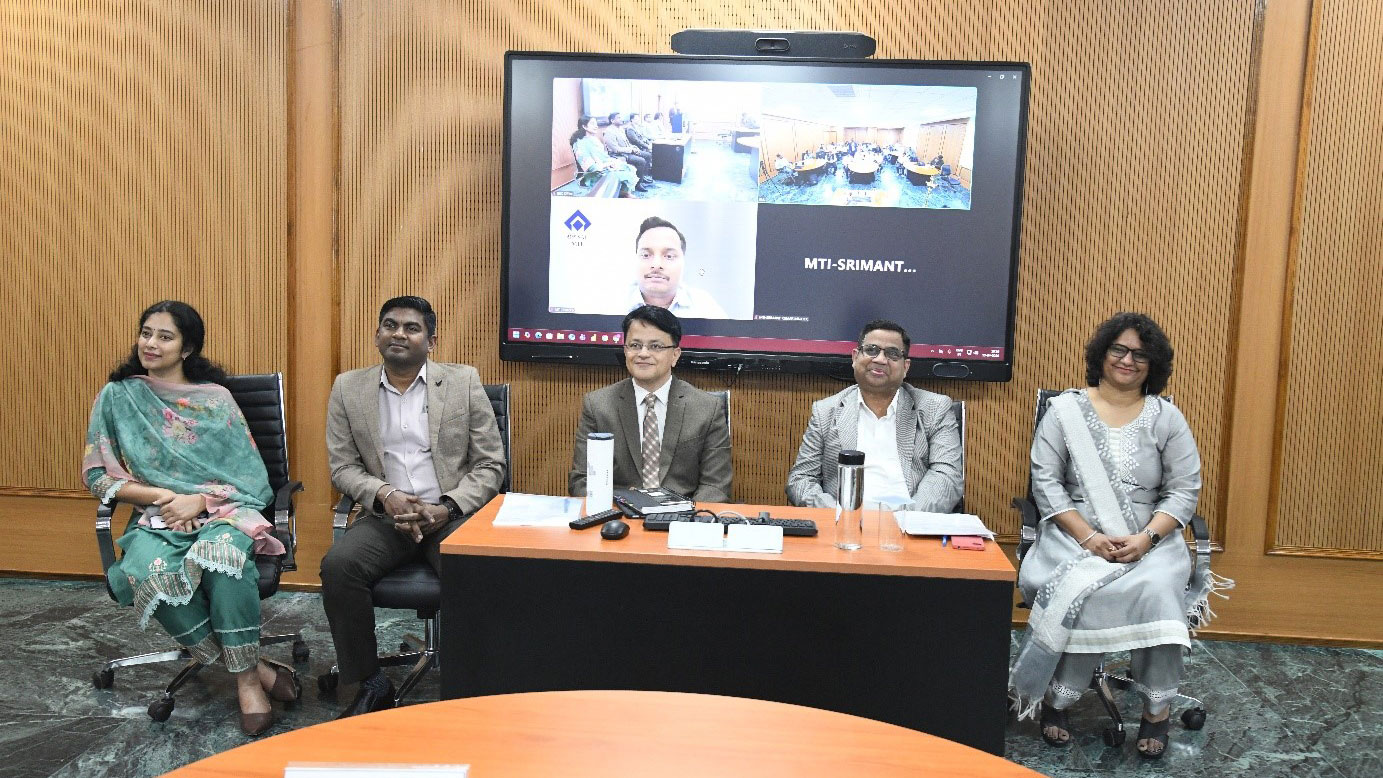
IIM Jammu inaugurates 5-day Leadership Development Program for 28 SAIL managers, focusing on strategic thinking and organizational growth.
IIM Jammu launches leadership programme for SAIL
The Indian Institute of Management Jammu (IIM Jammu) inaugurated the Leadership Development Programme for Young Managers (Batch III) at its Jagti Campus. The five‑day intensive programme is specifically designed for executives from the Steel Authority of India Limited (SAIL) and brings together 28 participants from SAIL plants across India. The initiative also aims to sharpen their leadership capabilities and strategic thinking to drive organizational excellence in India’s steel industry.
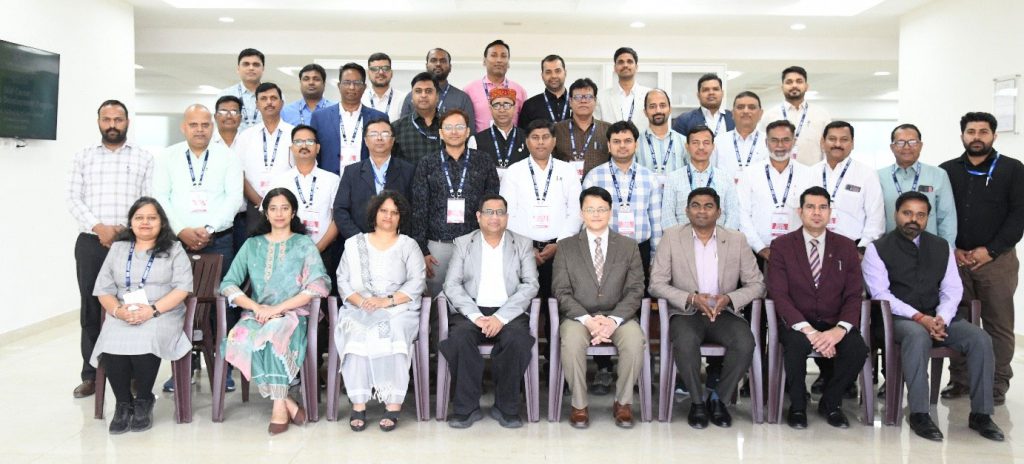
Strategic collaboration between IIM Jammu and SAIL
The inauguration ceremony highlighted the strategic partnership between IIM Jammu and SAIL in strengthening the public‑sector leadership pipeline. Prof. Jabir Ali, Dean of Faculty and Research at IIM Jammu, presided over the event and underscored the programme’s customised design, tailored to SAIL’s operational and strategic challenges. The programme aligns with national priorities for rejuvenating public sector undertakings (PSUs) through targeted executive development and prepares SAIL managers to navigate Industry 4.0 disruptions in steel manufacturing.
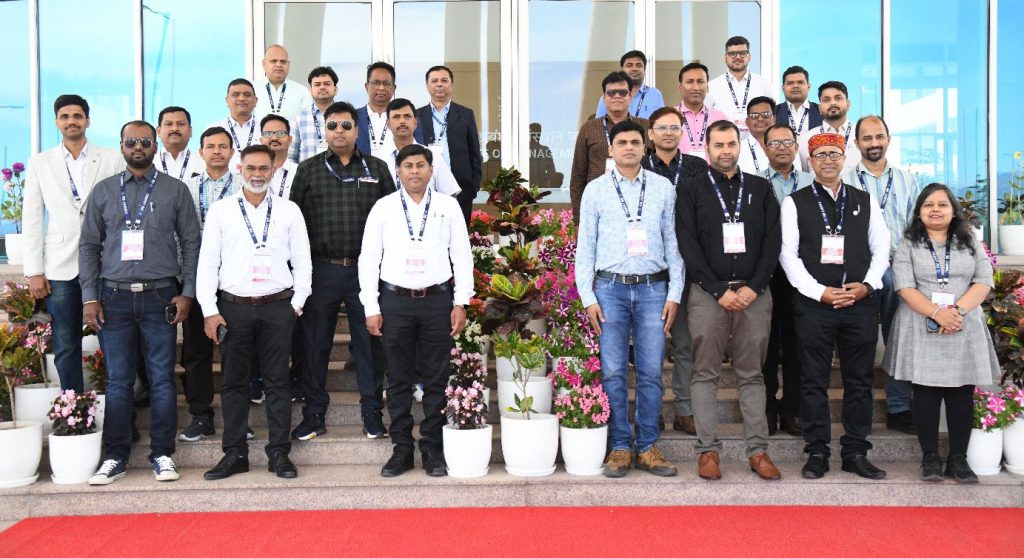
Key SAIL representatives present included Srimant Mallick, General Manager HR – L&D at SAIL’s Management Training Institute (MTI) and Officiating Head of Academics, and Chandra Nath Kumar, Senior Manager HR–L&D from Ranchi. On the IIM Jammu side, Prof. Prashant Mishra, Chairperson of Executive Education & Consultancy (EE&C), joined programme directors Dr. Harsha Jariwala, Dr. Parvathy B, and Dr. Sakhti Nagraj, underscoring the institute’s commitment to industry‑linked executive education.
Industry–academia synergy in the inaugural session
During the inaugural session, Srimant Mallick delivered a keynote address, emphasising the programme’s role in fostering peer networking, cross‑plant collaboration, and project‑driven learning under faculty mentorship. He highlighted SAIL’s need for managers who combine technical depth with strategic vision, especially as the company moves toward its 50 million‑tonne capacity target by 2030 and advances green steel initiatives.
Prof. Jabir Ali described the initiative as a bespoke leadership intervention that addresses SAIL’s challenges across operations, finance, and leadership development, creating executives ready to lead India’s steel renaissance. Dr. Harsha Jariwala outlined the five‑day structure, stressing modules on leadership development, adaptability in volatile markets, financial acumen for capex decisions, and entrepreneurial thinking to drive innovation.
Customised curriculum for the steel sector
The programme’s curriculum directly addresses the real‑world pressures facing the Indian steel industry. Core modules cover strategic leadership frameworks, financial analysis for steel‑plant optimisation, digital transformation and Industry 4.0 adoption, and change management for sustainability transitions. Case studies are drawn from global steel leaders such as ArcelorMittal’s green‑hydrogen integration and POSCO’s smart‑factory models, as well as SAIL’s own turnaround stories at Bhilai and Rourkela.
Practical components include group projects on live SAIL challenges – such as blast‑furnace efficiency, circular‑economy models for steel scrap, and ESG‑compliance frameworks – and faculty‑led simulations that place participants in crisis scenarios like raw‑material shortages and tightening carbon‑emission regulations. These exercises help build decision‑making under uncertainty, a critical skill for India’s evolving steel landscape.
Regional and national significance
IIM Jammu’s collaboration with SAIL enhances the industrial ecosystem in Jammu & Kashmir, with the Jagti Campus serving as a hub for managerial talent development in the region. The programme also allows SAIL executives to gain insights into Himalayan‑region logistics and supply‑chain challenges, which are highly relevant for northern distribution networks.
At the national level, the training supports India’s ambition for Atmanirbhar Bharat in the steel sector, where SAIL already contributes around 30% of domestic production. As India’s steel demand is projected to reach 300 million tonnes by 2030, the programme helps build a leadership bench ready to lead digital‑technology adoption, hydrogen‑based direct‑reduced‑iron (DRI) projects, and export‑oriented growth.
Long‑term executive‑education vision
The Leadership Development Programme for Young Managers exemplifies IIM Jammu’s growing executive‑education portfolio, which has trained over 2,000 professionals since inception and now runs 50+ programmes annually for PSUs, state governments, and SMEs. The institute uses hybrid formats, on‑site plant visits, and customised content to maximise return on investment for corporate partners.
With Batch III following two successful earlier cohorts – many of whom now lead SAIL’s digital‑transformation units or quality‑improvement projects – IIM Jammu aims to train 100 SAIL executives by 2028, positioning itself as the leading leadership academy for PSU managers in Northern India. Alumni tracking indicates strong upward mobility, with 70% receiving promotions within 18 months and 40% on a trajectory toward C‑suite roles within five years.
Impact on India’s steel ecosystem
Participants from Batch III return to their roles as change agents, driving Kaizen‑style improvements across plants, guiding multi‑billion‑rupee capex projects, and championing net‑zero transitions. The programme directly supports SAIL’s contribution to the National Steel Policy goals, including 60 million‑tonne capacity and 25% scrap‑based production, while building resilience against geopolitical and supply‑chain shocks.
The Batch III programme concludes with capstone presentations to SAIL’s top leadership, ensuring that projects move quickly from classroom ideas to real‑world implementation. Through this sustained IIM Jammu – SAIL synergy, India’s steel sector is gaining a new cohort of strategic, digitally savvy, and sustainability‑oriented leaders – one plant, one project, and one strategic decision at a time.
Disclaimer
The information in this article is based on available public sources and official statements as of the time of publication. While we aim for accuracy, we do not guarantee completeness or correctness. We advise readers to verify key details from official sources before making any decisions. The website (iitiimsamvaad.com) is not liable for any loss or damage arising from the use of this content. The authors are also not responsible for any such loss or damage.