

IIT BHU Professor Transforms Banana Waste into Rural Wealth
IIT BHU professor Dr Vishal Mishra trains Lucknow farmers to convert banana stems into handmade paper and bio-fertilisers, creating sustainable income sources.
Sustainable rubberisation of farm waste in Raipur village
Transforming kitchen and agricultural waste into paper and organic fertilisers is no longer a futuristic idea – it is already happening in a small village on the outskirts of Lucknow. In a unique outreach initiative, Dr. Vishal Mishra, Assistant Professor at the School of Biochemical Engineering, IIT (BHU) Varanasi, conducted a hands‑on workshop in Raipur village, Bithauli, where he trained local farmers to convert agricultural residues such as banana stems and banana peels into two valuable products: handmade paper and liquid organic fertiliser.
The workshop drew farmers, women self‑help groups, and local youth, all eager to learn how to turn low‑value farm waste into high‑utility, market‑oriented products. By using readily available materials and simple tools, the villagers can now produce alternatives to conventional wood‑pulp paper and chemical fertilisers, while also generating additional income streams.
How banana stems turn into paper
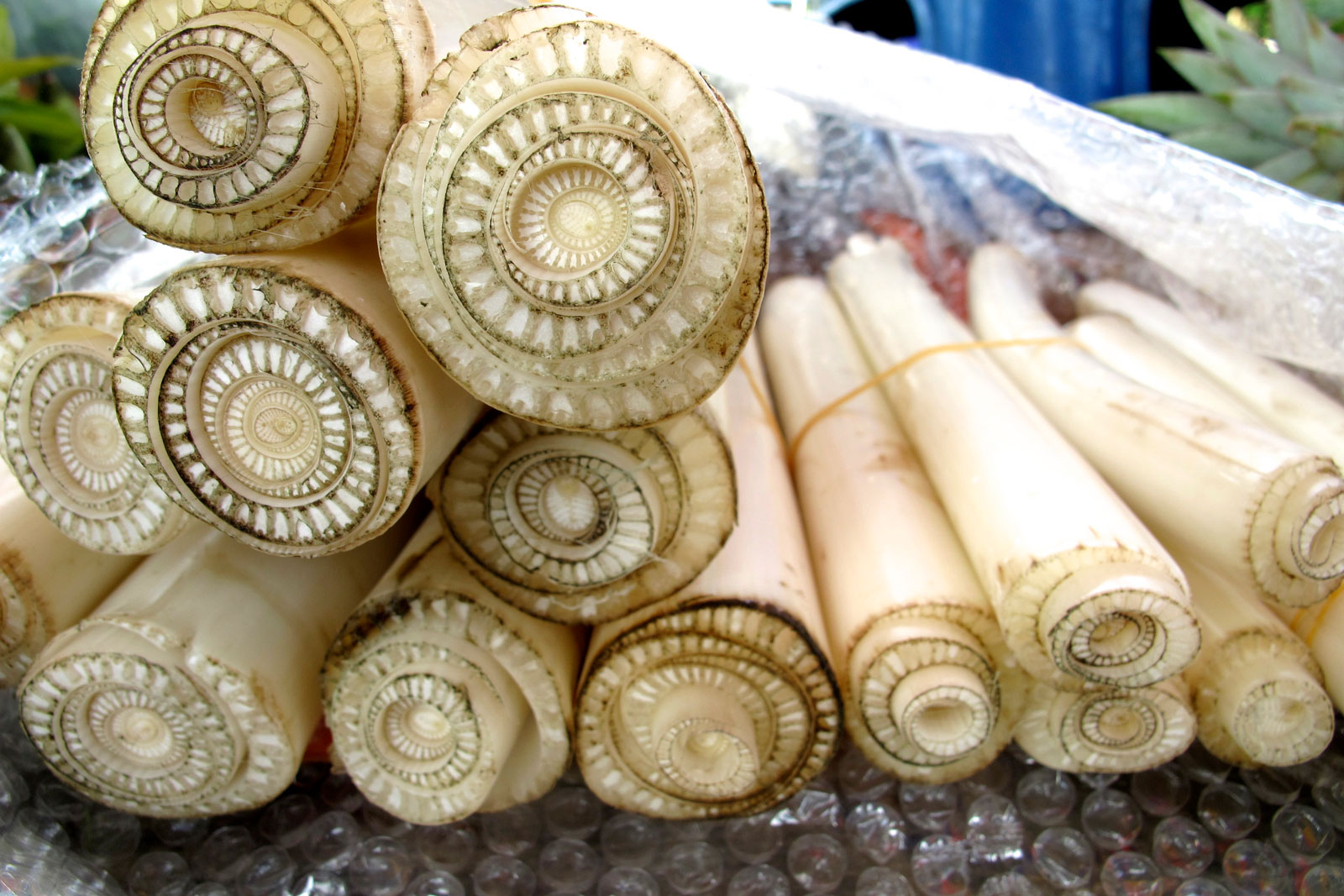
Dr. Mishra demonstrated the full process of converting banana stem fibre into paper right before the participants’ eyes. “We first remove the fibre from the banana stem and wash it with sodium hydroxide to eliminate natural resins that can weaken the paper,” he explained. The treated fibre is then beaten into a stronger, more uniform agricultural fibre pulp, which becomes the raw material for paper production.
The villagers then use a mould and deckle to form sheets from the pulp on a flat surface. After pressing and drying, the sheets emerge as absorbent, durable, and eco‑friendly paper that can replace many regular wood‑pulp‑based products. Because the process avoids chemical bleaches and toxic additives, the resulting paper is safe for packaging, stationery, and handicrafts.
From peel to fertiliser
Alongside paper‑making, Dr. Mishra showed how banana peels and used tea residue can be converted into liquid organic fertiliser through anaerobic fermentation. The farmers learn to mix the organic matter in airtight vessels for about 15 days, after which the decomposed slurry turns into a rich, nutrient‑laden fertiliser.
This fertiliser supplies essential micronutrients and organic matter to the soil, improving its water‑retaining capacity and microbial activity. It also reduces dependence on synthetic fertilisers, lowers input costs for farmers, and helps protect local water bodies from chemical runoff.
A simple, scalable, rural‑friendly model
The entire process – from harvesting banana stems to drying finished paper – follows a clear, step‑wise sequence: harvesting, cleaning, cutting, cooking the fibre, rinsing, beating, sheet formation, and drying. Dr. Mishra designed the workflow to use low‑cost, locally available equipment and minimal energy, so that even small‑scale farmer groups can replicate it in their own homes or community sheds.
The training also emphasises quality control and market readiness, teaching participants how to cut standard paper sizes, test strength, and package products for sale. By aligning the process with basic entrepreneurship skills, the initiative helps villages move from subsistence farming to value‑added, waste‑based micro‑enterprises.
Uplifting village economies and rural innovation
Beyond the technical process, the project carries a broader social and economic vision. The initiative aims to educate rural farmers about sustainable resource use, show them how to organise small production units, and help them access local markets for paper and organic fertiliser. In doing so, the model supports productive employment, women’s economic participation, and grassroots innovation.
Dr. Vishal Mishra, who previously gained recognition for discovering a bacteria that economically removes toxic hexavalent chromium from wastewater, views this village‑level work as a natural extension of his research. “Science should not remain confined to labs,” he said. “When we train farmers to transform waste into paper and fertiliser, we build both an environment‑friendly economy and a more resilient rural livelihood system.”
By turning banana stems into paper and peels into fertiliser, the Raipur village workshop offers a practical blueprint for waste‑to‑value circular models that can be replicated across India’s rural landscape – one village, one harvest, and one sheet of paper at a time
Disclaimer
The information in this article is based on available public sources and official statements as of the time of publication. While we aim for accuracy, we do not guarantee completeness or correctness. We advise readers to verify key details from official sources before making any decisions. The website (iitiimsamvaad.com) is not liable for any loss or damage arising from the use of this content. The authors are also not responsible for any such loss or damage.