

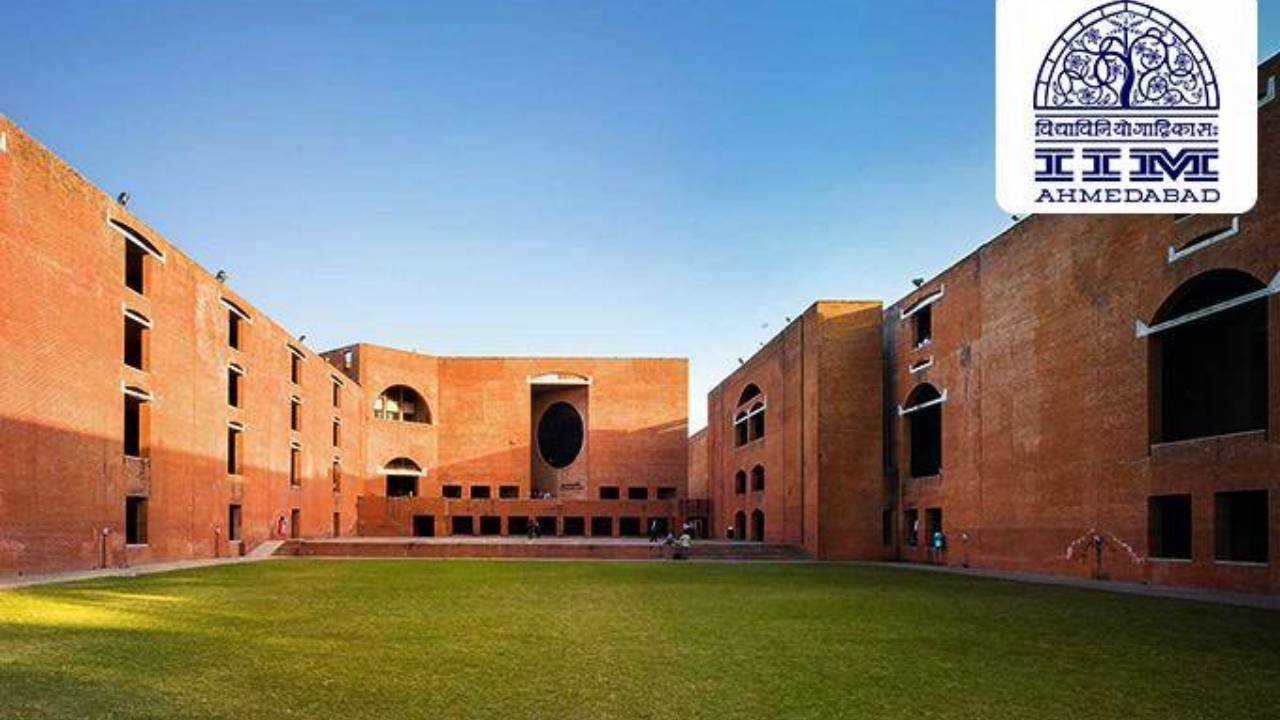
The Indian Institute of Management Ahmedabad (IIM Ahmedabad or IIMA), nestled in the vibrant state of Gujarat, stands tall as one of India’s most prestigious and coveted business schools, consistently ranked among the nation’s elite institutions for management education. Renowned for its rigorous academic standards, world-class faculty, and unparalleled placement records that propel graduates into leadership positions at top multinational corporations, Fortune 500 companies, and influential entrepreneurial ventures, IIMA has long symbolized the pinnacle of professional aspiration. For countless middle-class families across India, securing admission to this hallowed institute and earning its coveted MBA degree represents not just an academic triumph, but a transformative life milestone – a golden ticket to financial security, social mobility, and executive success in the cutthroat world of global business.
While the institute’s stellar reputation for producing captains of industry, innovative leaders, and thought-shapers is universally acknowledged and celebrated through its consistent top rankings in national frameworks like NIRF and international accreditations, the intriguing backstory of its founding remains relatively obscure, tucked away in personal memoirs and historical anecdotes rather than mainstream narratives. This lesser-known chapter, as chronicled in the introspective and revealing book A Book of Memory: Confessions and Reflections by the eminent psychoanalyst and author Sudhir Kakar, unveils a deeply human dimension to IIMA’s origins – one intertwined with romance, personal conviction, and the visionary zeal of its founding figure, Dr. Vikram Sarabhai, often hailed as the father of India’s space program.
Kamla Chowdhry’s Remarkable Personal Odyssey
At the heart of this narrative lies Kamla Chowdhry, a trailblazing woman whose life journey was marked by profound tragedy, intellectual pursuit, and unexpected professional reinvention. Initially married to Khem Chaudhary, a dedicated officer in the prestigious Indian Civil Service (ICS) – the elite colonial-era administrative cadre – Kamla’s world was shattered when her husband was brutally murdered under mysterious circumstances. Devastated yet resilient, she chose exile and self-reinvention abroad, relocating to the United States where she immersed herself in advanced studies. At the University of Michigan, a hub of progressive academic thought, she pursued and excelled in earning both a master’s degree and a PhD in Social Psychology, emerging as a formidable scholar equipped with cutting-edge insights into human behavior, organizational dynamics, and societal structures – expertise that would prove invaluable in India’s nascent post-independence developmental landscape.
Upon her eventual return to India, Kamla’s path serendipitously converged with Ahmedabad’s intellectual elite through an invitation from Mrinalini Sarabhai, the accomplished dancer, choreographer, and wife of the polymathic Dr. Vikram Sarabhai. This connection drew her into the bustling epicenter of Ahmedabad’s industrial and research renaissance.
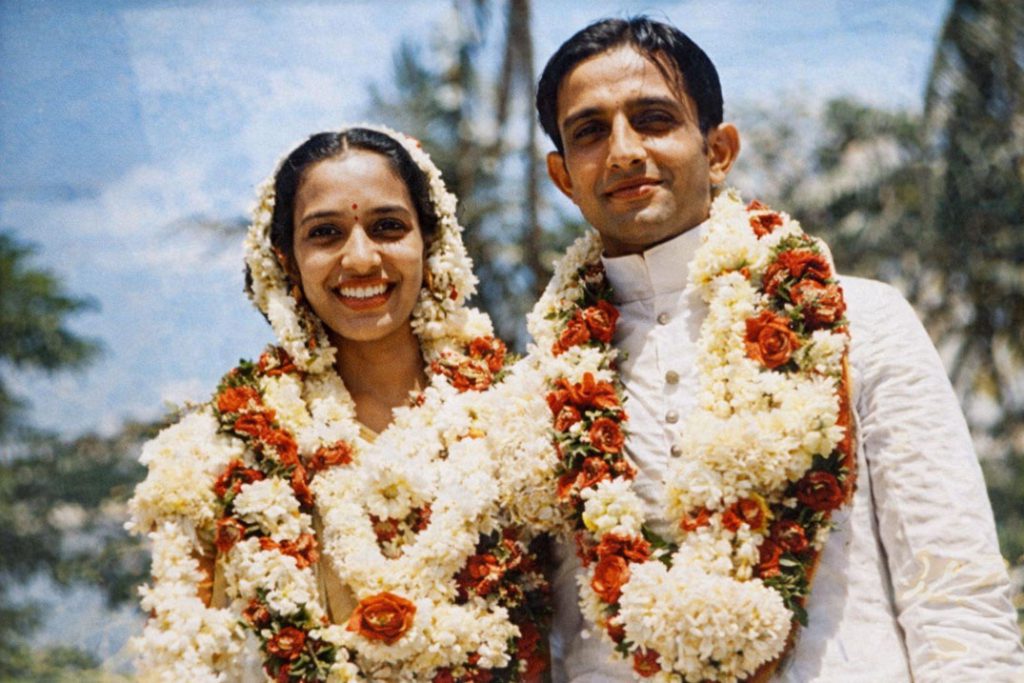
At the time, Vikram Sarabhai was spearheading the establishment of the Ahmedabad Textile Industry’s Research Association (ATIRA), a groundbreaking initiative that became the city’s pioneering research institute dedicated to advancing textile technology, management practices, and industrial efficiency in one of India’s key economic sectors. Deeply impressed by Kamla’s academic credentials, interdisciplinary expertise, and sharp analytical mind during their interactions, Sarabhai promptly extended a formal offer for her to join ATIRA in a significant capacity, recognizing her potential to bridge psychological insights with practical industrial challenges.

A Discreet Yet Profound Personal Bond
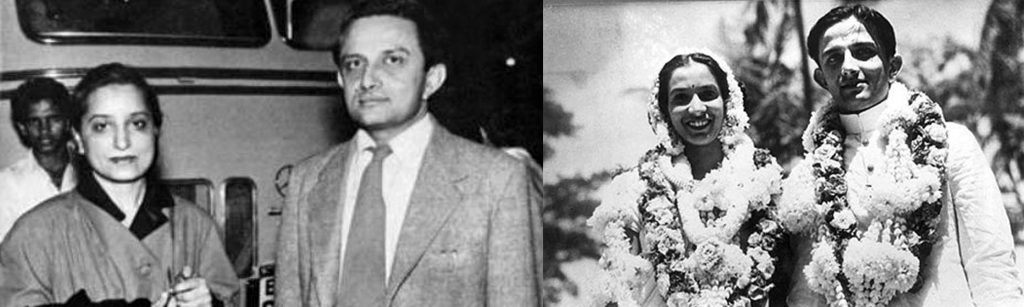
As detailed in Kakar’s memoir, what began as a professional collaboration blossomed into a sustained and intimate personal relationship between Vikram Sarabhai and Kamla Chowdhry, enduring for several formative years and influencing key decisions in their shared professional spheres. Their partnership was characterized by intellectual synergy, mutual respect, and a shared passion for nation-building through education and research. At one juncture, when Kamla contemplated a compelling job opportunity in the national capital of Delhi – potentially pulling her away from Ahmedabad – Sarabhai reportedly employed every persuasive tactic at his disposal, leveraging emotional appeals, professional incentives, and visions of collaborative futures, to convince her to remain in the city and continue their joint endeavors.
The Personal Genesis of a National Institution
Whispers and historical accounts suggest that Sarabhai’s fervent desire to retain Kamla’s presence and contributions in Ahmedabad exerted a subtle yet pivotal influence on the very inception of IIMA, India’s second premier management institute after IIM Calcutta.
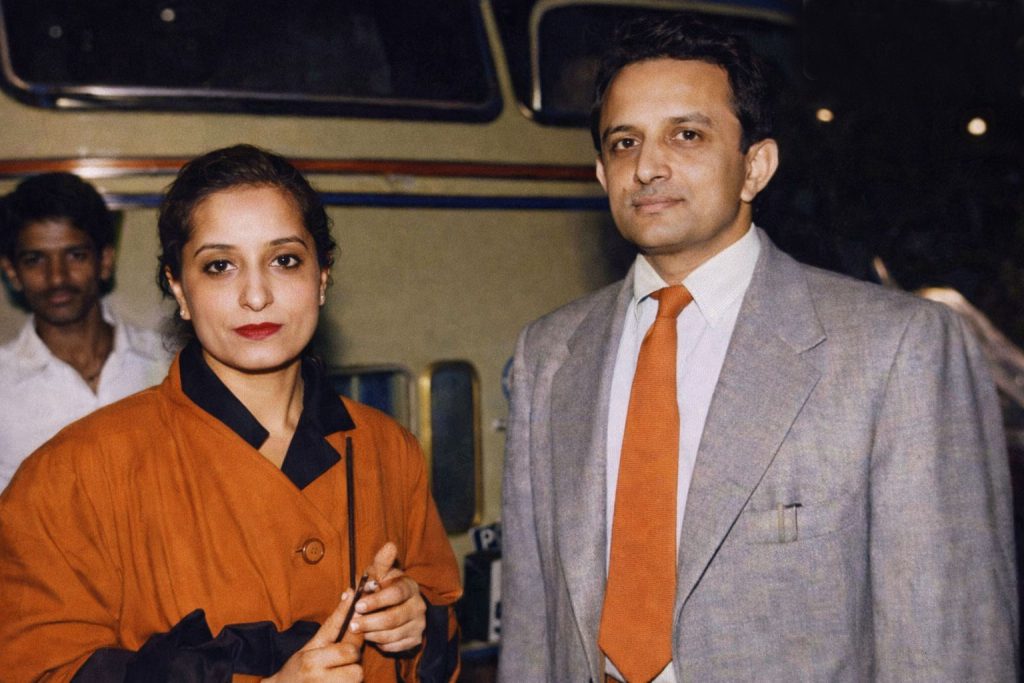
As the institute’s inaugural Director, Vikram Sarabhai envisioned IIMA not merely as a business school, but as a crucible for forging ethical, innovative leaders capable of steering India’s economic destiny. In this vision, Kamla played an indispensable advisory role; she was consulted on nearly every major strategic decision – from curriculum design and faculty recruitment to governance structures and pedagogical innovations – effectively functioning as the institute’s shadow or de facto director. Her psychological expertise helped embed human-centered approaches into management education, ensuring that IIMA’s ethos prioritized ethical leadership, holistic development, and societal impact alongside technical proficiency.
Family Perspectives and Nuanced Counterpoints
This narrative has been publicly affirmed, albeit with qualifications, by none other than Mallika Sarabhai, Vikram’s accomplished daughter, a renowned dancer, activist, and columnist in her own right. In an interview with The Times of India, Mallika acknowledged the longstanding and deeply intimate relationship between her father and Kamla Chowdhry, describing it as a meaningful chapter in their lives. However, she firmly rebutted reductive interpretations that frame IIMA’s founding as a mere personal ploy to anchor Kamla in Ahmedabad. “Yes, Papa shared a long, intimate bond with Kamla,” she stated candidly, “but to claim that his grand vision for nurturing a dedicated cadre of managers to propel the nation was just a scheme to keep her here does profound disservice to his lifelong dream. Psychiatrists, with their lens, often ascribe sexual undercurrents to every human endeavor.”
Echoes in Popular Culture
The intertwined legacies of Sarabhai and Chowdhry have found vivid portrayal in contemporary media, notably the acclaimed web series Rocket Boys streaming on Sony LIV. This biographical drama chronicles the extraordinary lives and contributions of Dr. Homi J. Bhabha, the architect of India’s nuclear program, and Dr. Vikram Sarabhai, delicately weaving in Sarabhai’s personal connection with Kamla Chowdhry amid the broader tapestry of scientific triumphs, personal sacrifices, and nation-building fervor. Through such depictions, the human elements behind India’s institutional giants are brought to life, reminding us that even monumental achievements often stem from profoundly personal motivations and relationships.