

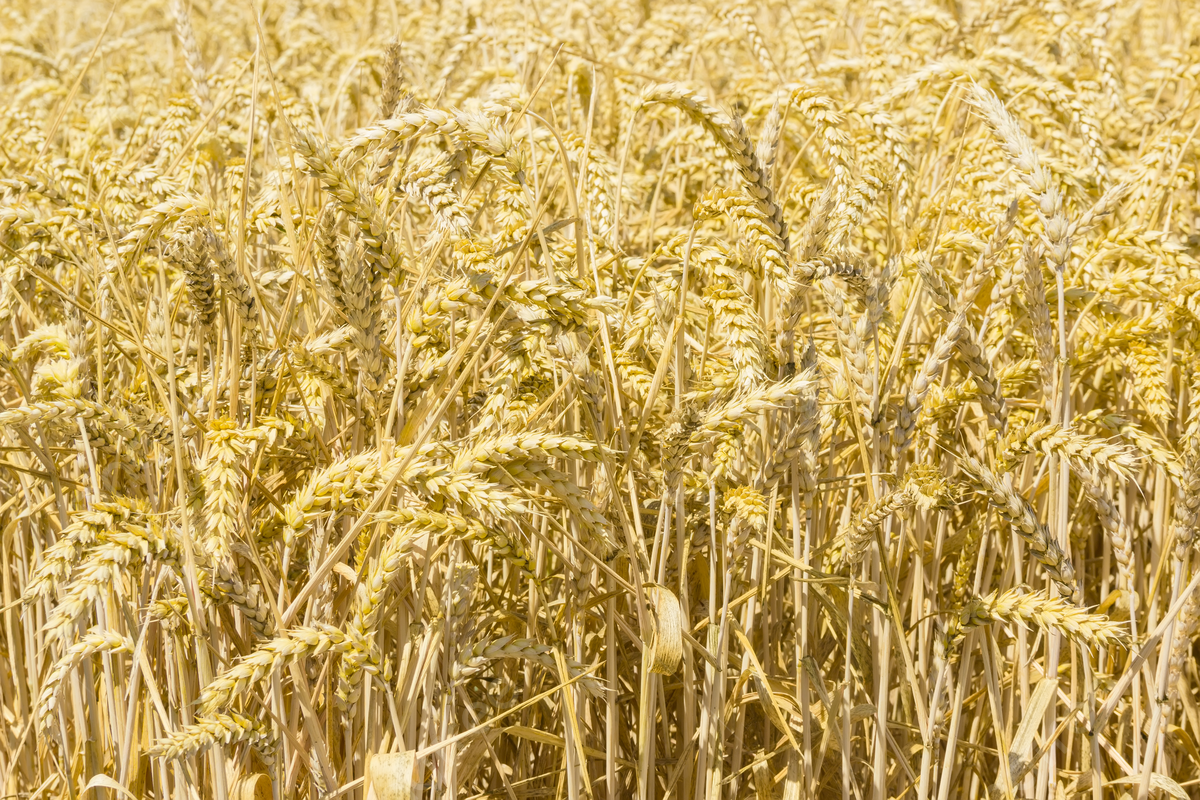
A new study from IIT-Kharagpur warns that surface ozone pollution poses a severe, underappreciated threat to India’s agricultural productivity, potentially slashing yields of key staple crops. Led by Prof. Jayanarayanan Kuttippurath and his team at the Centre for Ocean, River, Atmosphere and Land Sciences (CORAL), the research highlights the vulnerability of wheat, rice, and maize – India’s and the world’s primary food grains – to rising ozone levels.
Published in the journal Environmental Research under the title “Surface ozone pollution-driven risks for the yield of major food crops under future climate change scenarios in India,” the study leverages data from the Coupled Model Intercomparison Project phase-6 (CMIP6). It analyzes historical trends and projects future ozone-induced losses, revealing surface ozone as a potent oxidant that inflicts foliar injuries on plants, impairing photosynthesis and overall growth.
Under high-emission scenarios with limited mitigation, wheat yields could plummet by an additional 20%, while rice and maize face roughly 7% reductions. The Indo-Gangetic Plain and Central India emerge as hotspots, where ozone concentrations may surpass safe thresholds by up to sixfold, exacerbating risks in these high-production belts.
These projections carry profound implications for food security, both domestically and globally. As a leading exporter of grains to Asian and African markets, India’s output shortfalls could ripple worldwide, straining supplies and inflating prices. The study stresses that without aggressive pollution controls, these losses will compound climate change pressures on agriculture.
Prof. Kuttippurath’s team advocates urgent atmospheric monitoring and emission cuts to shield crops. Effective strategies – targeting precursors like nitrogen oxides and volatile organic compounds from vehicles, industries, and agriculture – could substantially boost yields and bolster global food chains. An IIT-Kharagpur spokesperson emphasized that safeguarding crop health demands immediate policy action to curb ozone formation.
This research underscores the hidden costs of air pollution beyond urban smog, positioning ozone as a silent saboteur of India’s breadbasket. By integrating ozone risk into climate models, it calls for holistic interventions to ensure resilient farming in a warming, polluted world.