

UT administration finally rolls out Chandigarh Startup Policy 2025 after 7 years, offering grants and support to IIT Ropar and regional innovation.
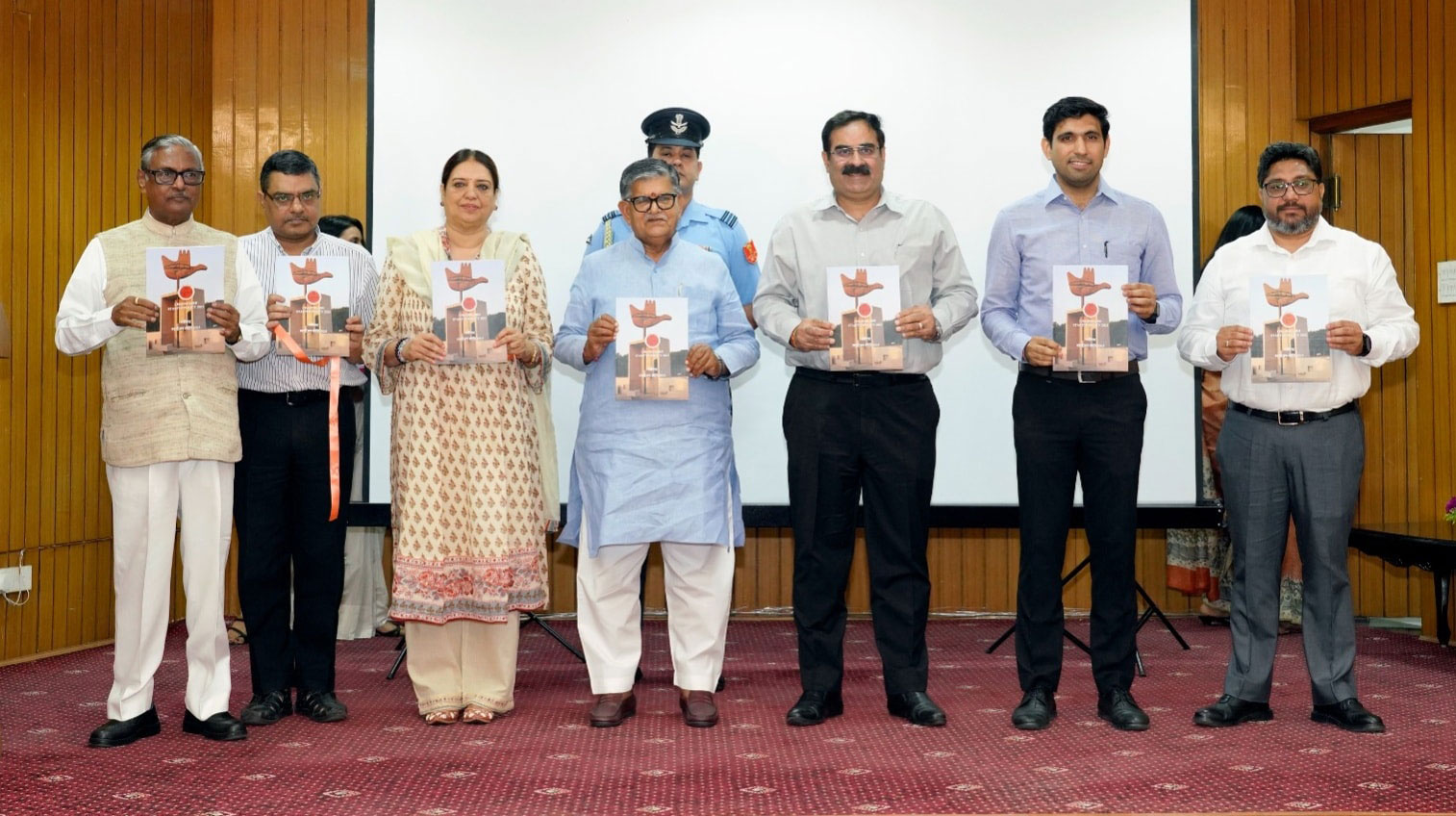
After seven long years of delays and revisions, the Chandigarh Startup Policy 2025 was finally launched on Tuesday by Punjab Governor and UT Administrator Gulab Chand Kataria. The city-specific policy promises comprehensive incentives – from idea-stage grants to seed funding and scaling support – designed to transform Chandigarh into a thriving startup hub rivaling Pune, Bengaluru, and Ahmedabad. The launch directly benefits key institutions like IIT Ropar, Panjab University, PEC, and IISER Mohali, providing structured financial and mentorship pathways for student entrepreneurs.
Long-Awaited Policy Takes Flight
The launch ceremony at Punjab Raj Bhawan drew senior officials including Chief Secretary Rajeev Verma, Mayor Harpreet Kaur Babla, Deputy Commissioner Nishant Yadav, and Principal Secretary Vivek Pratap Singh. Representatives from premier institutions (IIT Ropar, PGIMER, ISB, NABI, STPI), industry bodies (CII, PHDCCI, ASSOCHAM, TiE, Punjab Angels), and Innovation Mission Punjab filled the hall alongside startup founders and aspiring entrepreneurs.
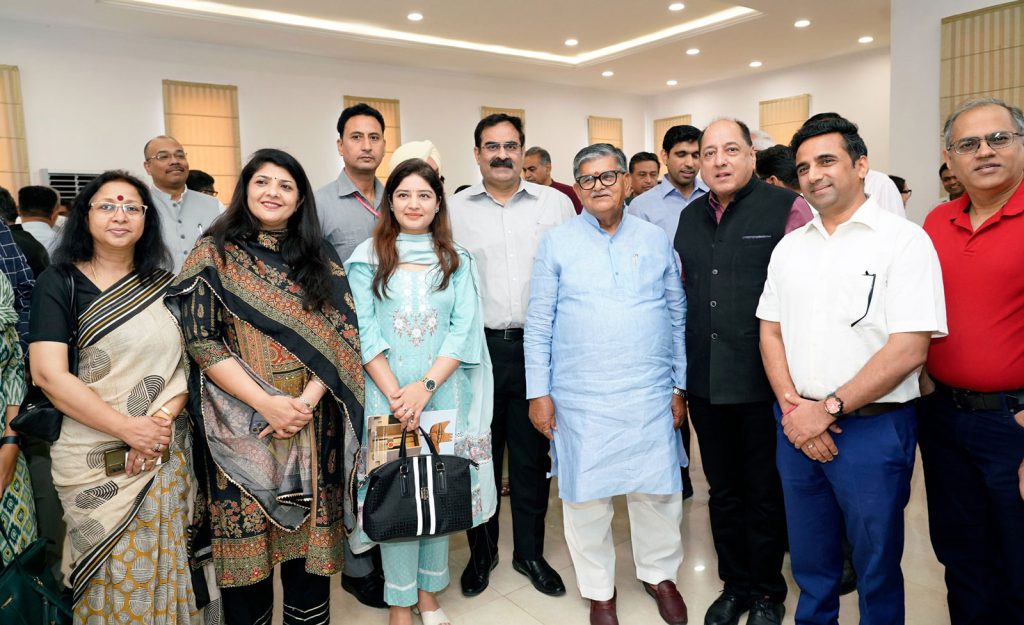
Governor Kataria linked the policy to Prime Minister Narendra Modi’s 2016 Startup India vision: “Chandigarh’s talented, tech-savvy youth need just the right support. This policy channels their energy positively, creates jobs, and helps make our region drug-free.” He envisioned the “City Beautiful” joining India’s startup elite.
Policy Evolution and Past Hurdles
Conceived in 2018 following Startup India’s call for localized policies, Chandigarh’s version faced repeated delays. Multiple deadlines slipped – last year’s Diwali target derailed by UT Finance Department queries. The seven-year journey reflects typical policy execution challenges: inter-departmental coordination, budget approvals, stakeholder consultations. Now finalized, it tailors incentives to Chandigarh’s unique ecosystem – proximity to Punjab/Himachal industries, strong academic base, growing angel networks.
Core Incentives and Eligibility
The policy offers tiered support: idea-stage grants up to ₹5 lakh, seed funding to ₹50 lakh, scaling grants beyond. Additional benefits include office space subsidies, patent filing assistance, market access programs, and tax exemptions. Eligibility requires innovative, scalable ventures registered in Chandigarh; DPIIT recognition preferred but not mandatory.
Benefits lapse after 10 years or ₹100 crore turnover. Fraud complaints trigger high-power committee review, ensuring accountability. Focus sectors align with regional strengths: agritech (Punjab farming), medtech (PGIMER), deeptech (IIT Ropar), edtech (Panjab University).
Strategic Boost for IIT Ropar
IIT Ropar gains most immediate advantage. Its Technology Incubation Centre, already hosting 25 startups, accesses policy seed grants, angel matching, and government tender preferences. Student teams from AI, robotics, biotech – Ropar specialties – can now prototype commercially. “This policy validates our incubation model,” said an IITR official. “Grants bridge valley of death between lab and market.”
The institute’s strategic Punjab location positions it as Tricity (Chandigarh-Mohali-Panchkula) innovation anchor, complementing IISER Mohali’s fundamental research.
Regional Startup Ecosystem Benefits
Panjab University’s Entrepreneurship Cell, PEC’s technovation programs, ISB’s executive cohorts gain structured funding pipelines. Industrial associations commit mentorship: CII’s market access, TiE’s pitch coaching, Punjab Angels’ ₹100 crore corpus.
Mayor Babla highlighted urban support: “Co-working spaces at subsidized rates, single-window clearances – Chandigarh removes startup friction.” Innovation Mission Punjab integrates state schemes, creating seamless UT-Punjab funding.
Economic and Social Vision
Kataria emphasized multiplier effects: “Each supported startup creates 5-10 direct jobs, hundreds indirectly. Youth employment curbs drug culture.” Policy targets 100 startups by 2028, ₹500 crore investment, 5,000 jobs – ambitious but achievable given Tricity’s 2 million educated population.
Implementation Roadmap
A Startup Cell under Industries Department handles applications within 30 days. High-power committee (administrator’s nominee, academician, industry rep) approves grants quarterly. Annual demo days showcase portfolio companies to VCs.
The seven-year wait ends with momentum. Chandigarh Startup Policy 2025 positions IIT Ropar and Tricity institutions to capture India’s $50 billion startup wave while building sustainable local innovation.
Disclaimer
The information in this article is based on available public sources and official statements as of the time of publication. While we aim for accuracy, we do not guarantee completeness or correctness. We advise readers to verify key details from official sources before making any decisions. The website (iitiimsamvaad.com) is not liable for any loss or damage arising from the use of this content. The authors are also not responsible for any such loss or damage.