


IIM Kozhikode’s third India Labour Conference spotlights gig workers, urging fair practices in India’s digital economy amid flexibility paradoxes and low wages.
Spotlight on the Invisible Workforce
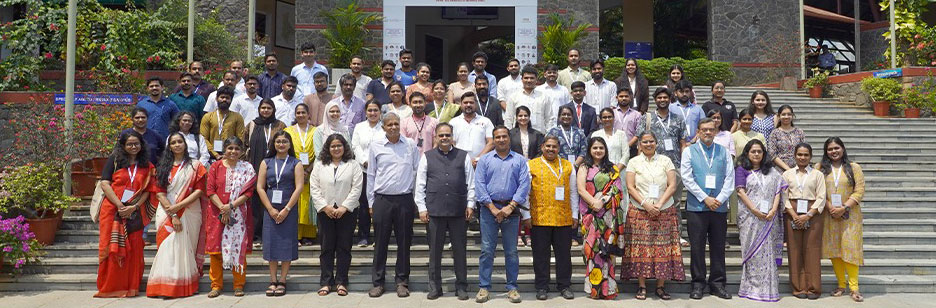
The Indian Institute of Management Kozhikode (IIMK) recently hosted the third edition of the India Labour Conference, centering discussions on “Gig Workers in Growing India.” This timely event gathered a diverse group of stakeholders – researchers, policymakers, trade union leaders, nonprofit representatives, and industry experts. All gathered to tackle the pressing need for fair and sustainable work in India’s rapidly evolving digital economy.
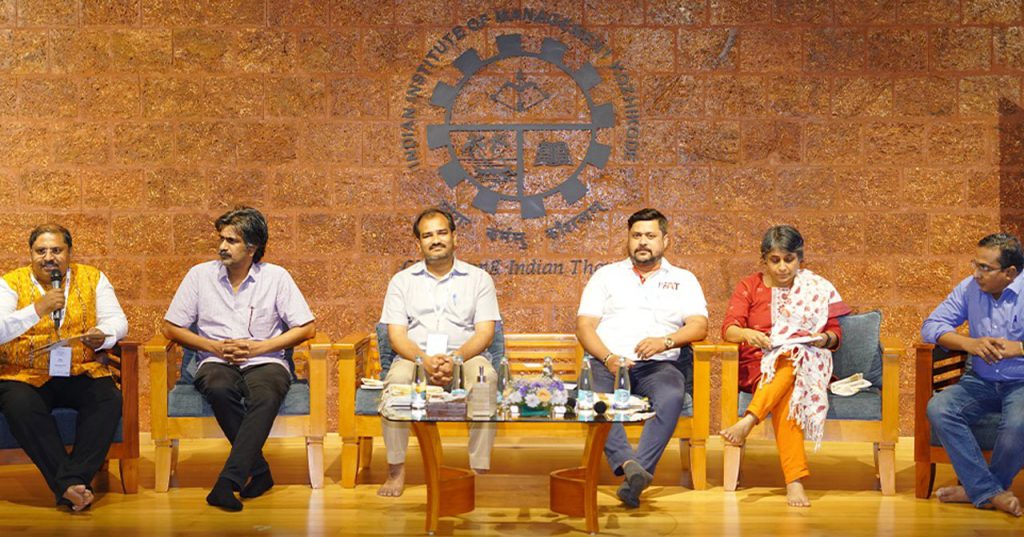
In his inaugural address, IIMK Director Debashis Chatterjee shone a spotlight on the “invisible” workforce powering much of modern India. Gig workers, he argued, form the backbone of platforms like food delivery, ride-hailing, and quick commerce. Yet they often linger on the fringes of policy conversations and public discourse. Chatterjee called for making the “invisible visible,” emphasizing that these workers deserve recognition and protection. He cited striking statistics that gig workers make up about 4% of India’s total workforce. But a staggering 40% of them earn less than ₹15,000 per month. This low income threshold highlights the economic precarity many face, despite contributing to high-growth sectors that fuel national GDP.
The Flexibility-Dehumanization Paradox
Manoranjan Dhal, head of the Centre for Employment Relations and Labour Studies (CERLS) at IIMK, opened the conference by unpacking a core paradox of the gig economy. On one hand, it promises unprecedented flexibility – workers choose their hours, locations, and gigs without the rigidity of traditional 9-to-5 jobs. On the other, this freedom often morphs into exploitation. Dhal described how faceless apps dehumanize labor – they meticulously track every minute of a delivery rider’s time or a driver’s route, optimizing efficiency for platforms while ignoring human realities. “Workers feel trapped,” he noted, “by algorithms that respond to data points but turn a deaf ear to pleas for fair pay, rest, or support during emergencies.” This “dehumanization” erodes dignity, turning people into mere metrics in a profit-driven system.
Industry Insights from the Frontlines
Industry perspectives added nuance to the debate. Vishwas Jain, Chief Experience Officer (CXO) at Zepto – a leading quick-commerce platform – shared frontline insights from e-commerce operations. He defended the gig model as essential for navigating India’s unique challenges. According to him, the unpredictable demand surges during festivals or monsoons. The vast geographical spreads from urban metros to tier-2 cities, needs workforce for on-demand scalability. “Gig work allows us to flex with India’s chaos,” Jain explained. “Riders can log in during peak hours and log off when family calls – flexibility that’s impossible in fixed-shift warehouses.” Yet, he acknowledged the need for better safeguards, like insurance and minimum earnings guarantees, to retain talent amid rising attrition.
Global Lens: Crowdwork as Modern Outsourcing
Shifting gears to global dimensions, Ernesto Noronha, Professor of Organizational Behaviour at IIM Ahmedabad, examined crowdwork. Crowdwork is a subset of gig labor involving digital tasks like content moderation, data labeling, or transcription on international platforms. Noronha likened it to a “new international putting-out system,” evoking historical textile outsourcing where merchants distributed work to home-based laborers. Today, platforms like Upwork or Amazon Mechanical Turk outsource English-language micro-tasks to Indian workers for pennies, often under opaque global supply chains. “It’s colonial labor in digital drag,” Noronha quipped, pointing to issues like non-payment, arbitrary ratings, and the erasure of worker agency. Her analysis underscored how India’s gig boom isn’t isolated but part of a worldwide race to the bottom in wages.
Pathways Forward and Closing Call
Throughout the two-day conference, panels delved into solutions: stronger social security nets, platform accountability via regulations like the Code on Social Security 2020, collective bargaining for gig unions, and tech innovations for transparent algorithms. Nonprofits shared success stories of worker cooperatives, while policymakers debated scaling pilots for portable benefits. health insurance and pensions that follow workers across gigs.
The event concluded with a call to action, echoing Chatterjee’s vision. As India’s gig workforce swells toward 50 million by 2030 (per NITI Aayog estimates), ensuring equitable growth demands collaboration. IIMK’s platform proved vital, bridging academia, industry, and activism to humanize the digital hustle. For gig workers – from sweltering delivery bikes to dimly lit crowdwork screens – visibility is the first step toward justice.
Disclaimer
The information in this article is based on available public sources and official statements as of the time of publication. While we aim for accuracy, we do not guarantee completeness or correctness. We advise readers to verify key details from official sources before making any decisions. The website (iitiimsamvaad.com) is not liable for any loss or damage arising from the use of this content. The authors are also not responsible for any such loss or damage.