

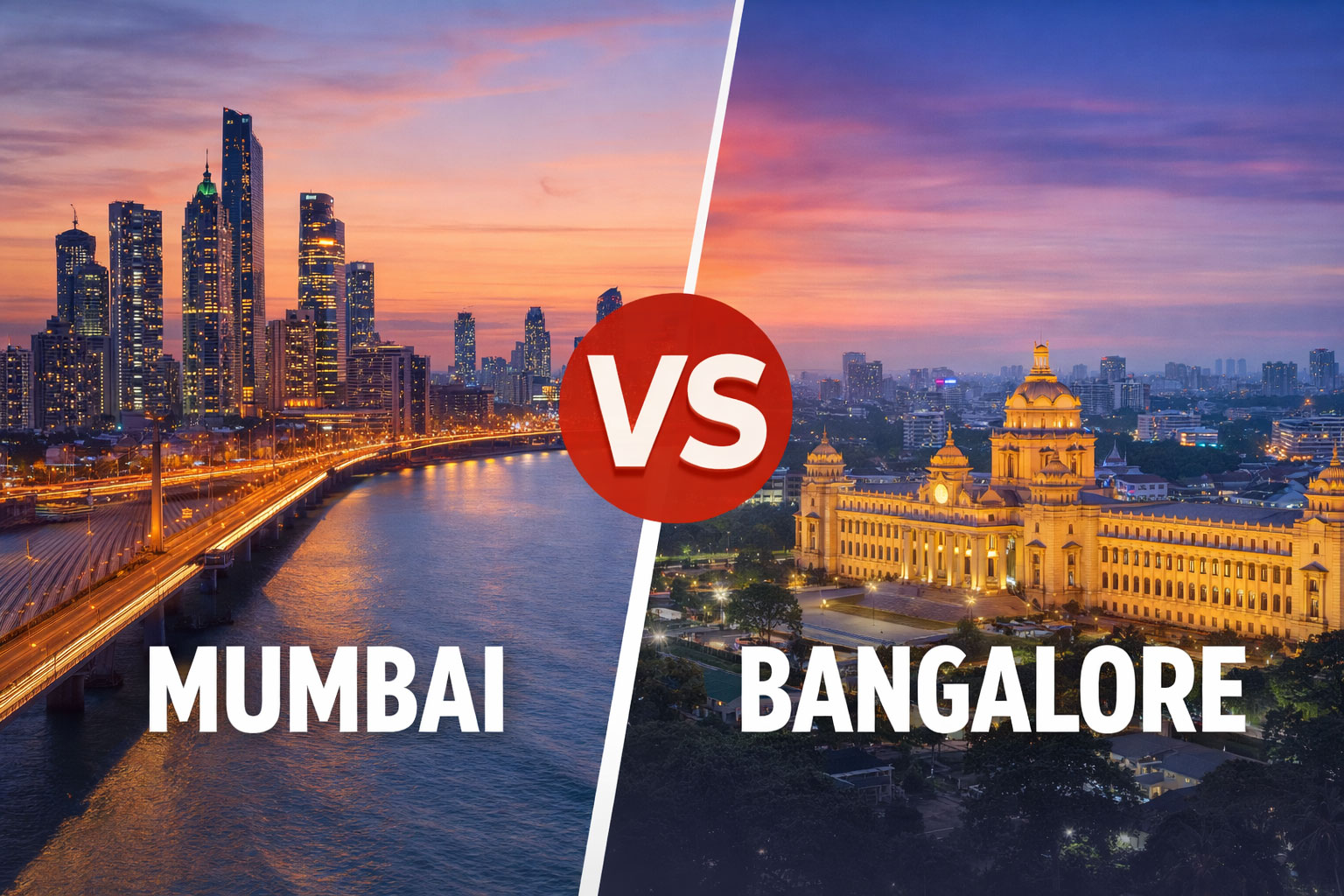
IIT Bombay Techie Slams Bengaluru’s ‘Transactional’ Vibe vs Mumbai’s Warmth
An IIT Bombay grad’s post contrasts Bengaluru’s negotiation-heavy interactions with Mumbai’s easygoing service, igniting a fiery online debate among netizens.
Relocating between India’s bustling metros often reveals unexpected cultural quirks, especially in the nuances of daily dealings. A tech professional from IIT Bombay recently lit up social media with his take on Bengaluru life after just two months there, lamenting a “transactional” feel that clashed with Mumbai’s effortless warmth.
Poobesh Gowtham, the IIT alum, posted on X about missing Mumbai’s people most. He described Bengaluru interactions – from haggling with auto drivers and packers to chats with ex-tenants – as constant negotiations, where folks seemed to squeeze every extra rupee. “Every interaction feels like a negotiation,” he vented, painting a picture of guarded exchanges lacking spontaneity.
A Telling Everyday Contrast
Gowtham zeroed in on a relatable example: cab rides. In Mumbai, he said, drivers spot the summer swelter and flip on the AC unprompted, turning a trip into a comfortable courtesy. Bengaluru? You have to ask – and it feels like pulling teeth, more favor than service. For him, this micro-difference captured the cities’ vibes: Mumbai’s proactive kindness versus Bengaluru’s quid-pro-quo style.
Netizens Weigh In: Agreements and Backlash
The post exploded, racking up likes, shares, and a lively comment storm. Many nodded vigorously, sharing their own tales of Bengaluru’s commercial edge. “Mumbai feels welcoming – people go the extra mile without expecting a tip,” one user chimed in. Others piled on, calling Bengaluru’s approach “overly mercenary,” where basic politeness demands a price tag.
Defenders fired back, though. Some Bengaluru loyalists dismissed it as one man’s gripe, joking, “Come to a pub here – AC’s on, and vibes are free!” Harsher retorts branded the post as unfair stereotyping, urging Gowtham to ditch generalizations. One quipped about Mumbai’s notorious trains: “Try negotiating space there first!”
Broader City Comparisons Emerge
The chat broadened, pulling in other cities. A Chennai veteran reminisced about craving Mumbai’s “broad-minded, carefree daring” – a place where services flow naturally, not as negotiated perks. “Mumbai’s in a league of its own; Bengaluru can’t touch that,” another declared flatly.
Personal stories added flavor. One commenter recounted five Bengaluru years before fleeing to Maharashtra. Their Mumbai welcome? An auto driver blasting Bollywood tunes for a joyride exploration – no meter running, just pure hospitality. “That warmth hooked me for good,” they shared, echoing Gowtham’s nostalgia.
Why It Resonates
This spat taps into a familiar urban divide. Mumbai, with its relentless hustle, fosters a street-smart camaraderie – strangers bond over shared chaos. Bengaluru, the startup hub drawing migrants nationwide, buzzes with ambition but sometimes feels aloof, interactions laced with caution amid high living costs and fierce competition.
Critics of Gowtham’s view argue it’s anecdotal; every city has bad days and gems. Auto drivers everywhere can be prickly, and Mumbai’s not immune to rip-offs. Yet his post strikes a chord because it spotlights service culture: proactive empathy versus rigid transactions.
Fueling the Mumbai vs Bengaluru Rivalry
Such debates aren’t new. Techies often romanticize Mumbai’s raw energy against Bengaluru’s polished tech scene. Gowtham’s thread revives the rivalry, with polls popping up: “Which city treats you better?” Mumbai edges ahead in warmth votes, Bengaluru in opportunity.
Ultimately, it’s subjective – shaped by personal lenses. Gowtham’s fresh eyes highlight how “home” sets expectations. Whether Bengaluru’s pragmatism is a bug or feature, his post proves one truth: in India’s metros, people-watching is the real sport.
As the buzz continues, it reminds us cities evolve through such candid clashes, pushing each to amplify their best traits.
Disclaimer
The information in this article is based on available public sources and official statements as of the time of publication. While we aim for accuracy, we do not guarantee completeness or correctness. We advise readers to verify key details from official sources before making any decisions. The website (iitiimsamvaad.com) is not liable for any loss or damage arising from the use of this content. The authors are also not responsible for any such loss or damage.