
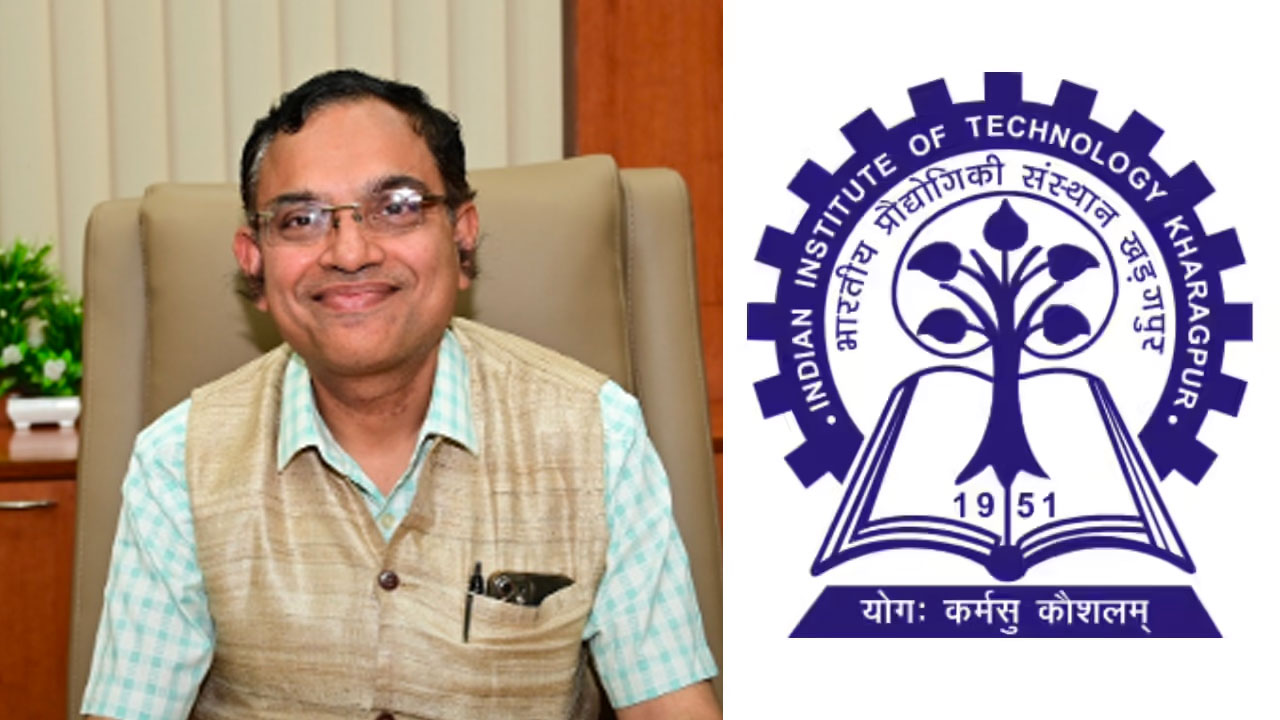
IIT Kharagpur Drives Director Suman Chakraborty India’s Low-Cost Medical Diagnostics Revolution
IIT Kharagpur’s Director Suman Chakraborty pioneers affordable medical testing, transforming healthcare access from labs to India’s villages.
From Village Roots to Institutional Helm
When Suman Chakraborty took charge as Director of the Indian Institute of Technology Kharagpur (IIT KGP) in 2025, it marked the formal recognition of a long and impactful journey in science and education. Yet his leadership role does not define his legacy alone. Long before stepping into the director’s office, Chakraborty had already emerged as a pioneering engineer dedicated to using technology to solve some of India’s toughest healthcare problems.
Over the past two decades, he has driven a body of work that pushes advanced scientific research out of elite laboratories and into villages, primary health centres, and low‑resource clinics. There, the cost of a diagnostic test can often decide whether a patient receives life‑saving care or goes untreated. Chakraborty’s innovations focus on making such tests affordable, portable, and easy to use, effectively democratising access to modern diagnostics.
Academic roots of a problem‑solving mindset
A native of West Bengal, Chakraborty built his academic foundation with consistent distinction. He earned his B. Tech in Mechanical Engineering from Jadavpur University in 1996, finishing second in his class and demonstrating an early mastery of core engineering principles. His strong conceptual understanding quickly gained national recognition when he topped the GATE exam the following year, securing the first rank across India.
He then moved to the Indian Institute of Science (IISc) Bengaluru, one of India’s leading research institutions, to pursue higher studies. At IISc, he completed both his M.E. and PhD, emerging as a gold medalist and receiving a Senate Commendation for academic excellence. His doctoral research in computational fluid dynamics (CFD) earned the Best Thesis Award at IISc as well as the Best International CFD Thesis Award in a global competition – an early sign of his depth in fluid mechanics and interdisciplinary problem‑solving.
Building a research ecosystem at IIT Kharagpur
Chakraborty began his academic career at IIT Kharagpur in 2002 as an Assistant Professor in the Department of Mechanical Engineering. Unlike many peers who move across institutions or seek opportunities abroad, he chose to stay rooted at IIT Kharagpur, building a strong, long‑term research ecosystem rather than following the path of academic globalisation.
By 2008, his contributions earned him the position of Full Professor, reflecting both his scholarly output and his growing influence in the academic community. Over the years, he has published over 500 research papers in reputable international journals, secured more than 25 patents, and supervised over 50 research scholars, significantly expanding India’s pool of scientific and engineering manpower.
Pioneering low‑cost, microfluidic healthcare solutions
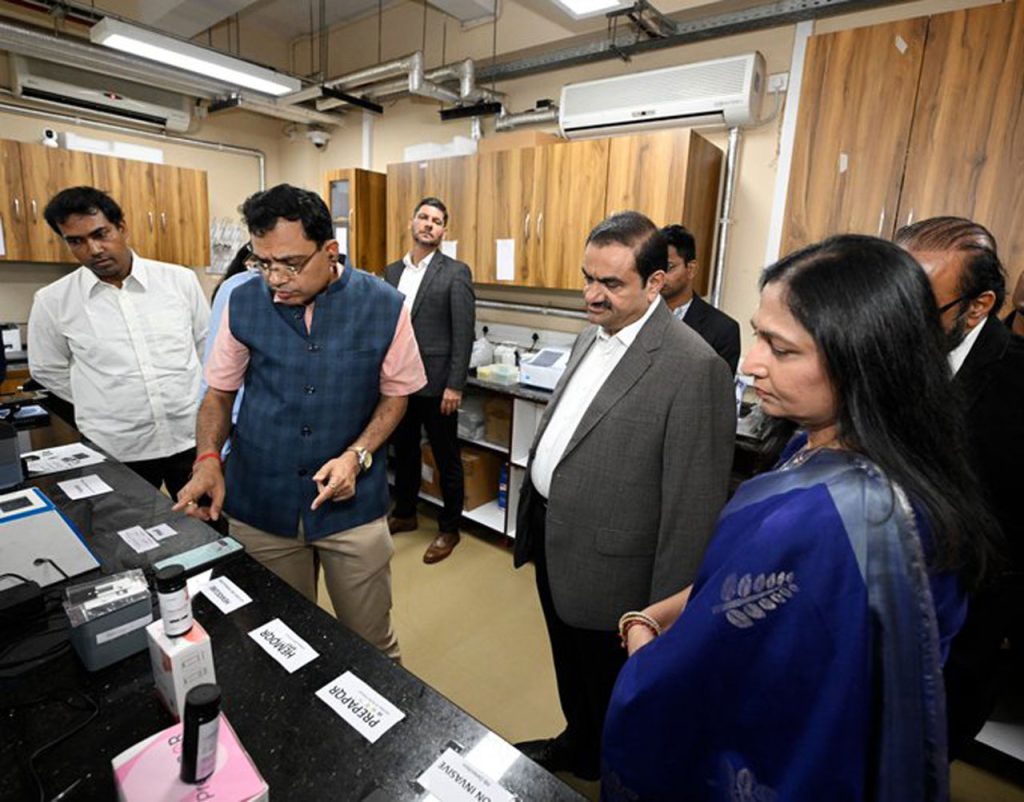
Chakraborty’s most transformative work lies in microfluidics and point‑of‑care diagnostics. He and his team at IIT Kharagpur have developed lab‑on‑a‑chip technologies that perform complex medical tests on tiny liquid samples, often using simple paper‑based or microchannel devices. These systems require little power, minimal infrastructure, and can be manufactured at low cost, making them ideal for rural and remote settings.
His innovations have led to low‑cost tests for conditions such as diabetes, kidney dysfunction, and infectious diseases, often in finger‑prick volumes of blood or drops of urine. By integrating microfluidic channels, colorimetric reagents, and smartphone‑based readout tools, the team has turned once‑expensive laboratory analyses into quick, visual, and field‑ready procedures. Field trials have demonstrated that these tests can deliver results comparable to conventional lab assays, but at a fraction of the time and cost.
Bridging engineering, medicine, and rural healthcare
What sets Chakraborty’s work apart is its deliberate grounding in real‑world medical and social needs. Rather than pursuing technology for its own sake, he collaborates closely with clinicians, public‑health professionals, and community workers to design tests that address the practical constraints of primary healthcare. Issues like lack of refrigeration, unreliable electricity, and shortage of trained personnel all shape the design and functionality of his devices.
His team has actively worked with government health programmes and NGOs to pilot these diagnostic platforms in districts with limited healthcare infrastructure. By simplifying procedures and training local health workers to use the devices, they aim to embed these tools into routine screening and monitoring protocols, especially for chronic diseases and maternal‑child health.
Vision for a scalable, indigenous diagnostics ecosystem
Now, as Director of IIT Kharagpur, Chakraborty uses his administrative platform to amplify this vision. He advocates for stronger industry–academia partnerships in healthcare technology and supports the creation of incubation and testing environments where students and startups can refine indigenous diagnostic products.
He believes that India must not only import high‑end medical devices but also design and manufacture affordable, context‑sensitive technologies that can serve vast populations. For him, the low‑cost medical‑testing revolution is not just about individual inventions – it is about building an end‑to‑end ecosystem that links discovery, design, deployment, and data‑driven refinement to ensure that every innovation reaches the people who need it most.
Disclaimer
The information in this article is based on available public sources and official statements as of the time of publication. While we aim for accuracy, we do not guarantee completeness or correctness. We advise readers to verify key details from official sources before making any decisions. The website (iitiimsamvaad.com) is not liable for any loss or damage arising from the use of this content. The authors are also not responsible for any such loss or damage.