
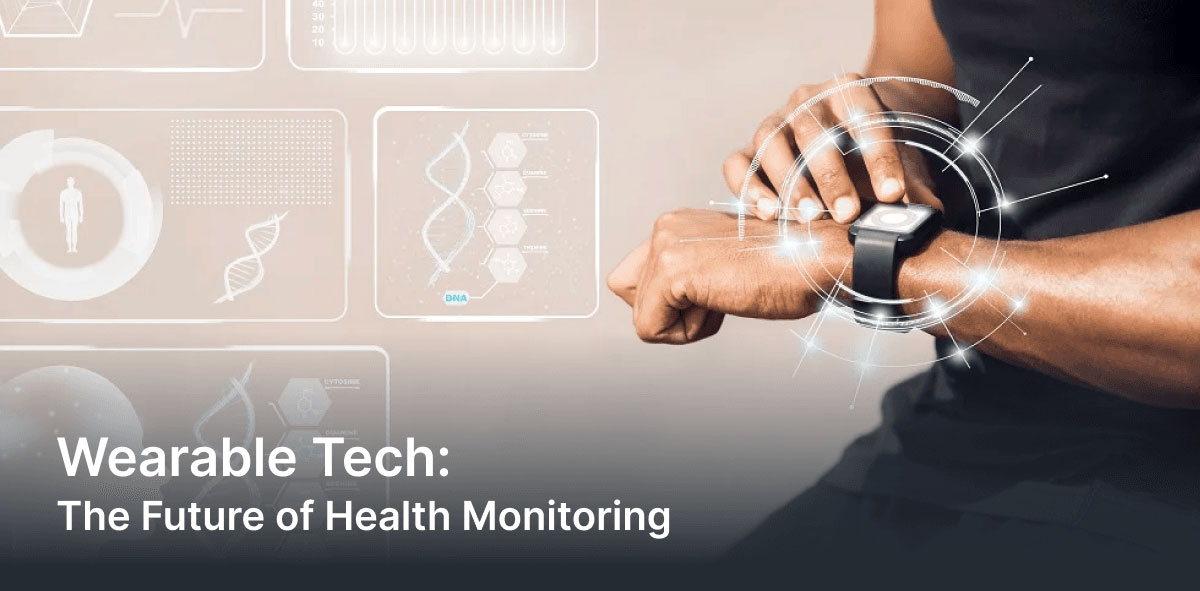
IIT Jodhpur, in collaboration with AIIMS Jodhpur, is developing flexible, low‑power wearable semiconductor patches that can enable early detection of serious diseases – including cancer – and continuous health monitoring. The soft, skin‑conforming sensors aim to bring non‑invasive, real‑time diagnostics to clinics, rural areas, and even defence app
Researchers at IIT Jodhpur are working on flexible, wearable semiconductor patches that could revolutionize early disease detection and continuous health monitoring. In collaboration with AIIMS Jodhpur, the project is focused on soft, low‑power semiconductor sensors that can be worn directly on the skin to track vital signals and biochemical markers in real time. The initiative, led by Dr. Akshay Moudgil, Assistant Professor in the Department of Electrical Engineering, is being developed at the Hybrid Electric Sensor Technologies Lab and targets conditions such as cancer and other serious illnesses that benefit from early intervention.
The wearable devices under development are designed as thin, flexible patches that comfortably adhere to the body for long‑term use. They can measure key physiological parameters such as heart rate, muscle activity (EMG), body temperature, and skin pressure, while also sensing biochemical signals relevant to disease. By enabling continuous monitoring outside specialized hospitals, the technology aims to overcome the limitation that many diseases are detected late due to infrequent or facility‑based check‑ups.

A central element of this research is the use of organic electrochemical transistors (OECTs), a class of semiconductor devices well suited to interfacing with biological signals and fluids. Unlike conventional rigid electronics, OECT‑based platforms allow for flexible, conformal sensing of both electrical and biochemical properties, making them ideal for wearable health monitors. The team is developing biocompatible hybrid semiconductor materials that can be fabricated on thin, flexible substrates, ensuring the patches remain comfortable and non‑invasive while conforming to the skin’s contours.
Dr. Moudgil explains that one of the key goals is to determine whether a single semiconductor platform can simultaneously record the body’s electrical activity – such as heart and muscle signals – and detect disease‑related biochemical markers. Using OECT technology, the group is designing compact, wearable units that integrate these capabilities into a single patch‑like device. In parallel, the lab is creating biochemical sensors capable of identifying clinically significant biomarkers in biofluids such as saliva, serum, and blood. If successfully commercialized, these sensors could be deployed in dental clinics, rural health camps, and mobile diagnostic services, expanding access to advanced diagnostics in resource‑limited settings.
Beyond disease‑specific monitoring, the project is also building general‑purpose wearable sensors for overall physical health tracking. These include soft ECG‑style patches for continuous cardiac monitoring, EMG sensors to track muscle responses, and pressure and temperature sensors that can help detect early signs of pressure sores in bedridden or critically ill patients. The prototypes tested so far have shown reliable physiological signal acquisition, good performance under heat and perspiration, and low power consumption – key features for real‑world deployment.
The technology also holds promise for defence and extreme‑environment applications. By integrating these flexible semiconductor sensors into uniforms or wearable patches, it becomes possible to continuously monitor soldiers’ physical stress, including heart strain, dehydration, fatigue, heat stress, and muscle load. Dr. Moudgil notes that such real‑time physiological monitoring can support better decision‑making in the field, reduce stress‑related injuries, and improve mission readiness in harsh operational environments.
If scaled, these wearable semiconductor patches could transform how early warning signs of disease are captured, especially in outpatient and remote settings, while also enhancing personalised health tracking for both civilians and defence personnel.