
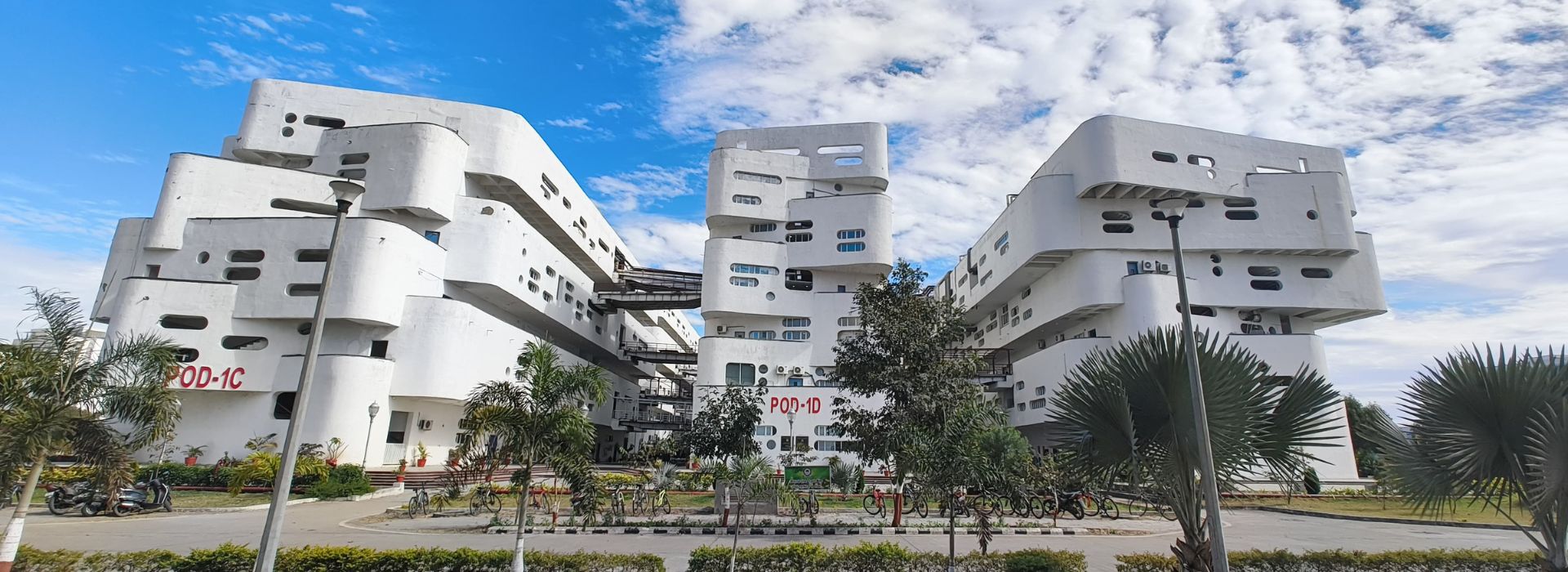
While English continues to dominate higher education and research in India, the Indian Institute of Technology Indore (IIT‑I) is actively promoting Hindi as a functional language for scientific and technological learning. The institute argues that using Hindi can improve conceptual understanding and broaden access to knowledge, especially for students from Hindi‑medium backgrounds.
IIT Indore is stepping up efforts to make Hindi a working language in science and technology education, seeking to move beyond the traditional reliance on English in classrooms and research. The institute believes that vernacular instruction can enhance comprehension, reduce linguistic barriers, and help connect technical knowledge more closely with local languages and culture.
The initiative is being advanced through “Abhyuday‑3,” a two‑day National Technical Hindi Seminar hosted at IIT Indore. The seminar, jointly organised by IIT Indore, IIT Jodhpur, and the CSIR–National Institute of Science Communication and Policy Research, focuses on strengthening the use of technical Hindi in higher education, research, and science and technology communication.
Within the campus, IIT Indore is already experimenting with bilingual teaching. Selected first‑year lectures are being delivered in Hindi, research abstracts are being prepared in line with official language standards, and classroom discussions increasingly encourage the use of Hindi to explain scientific concepts. Director Suhas Joshi said the move supports the national vision of integrating science and technology with vernacular languages. He added that strengthening technical Hindi would help widen the reach of knowledge while also reinforcing India’s linguistic diversity.
Faculty members emphasized that the emphasis is on removing language‑based hurdles in technical education and improving conceptual clarity, particularly for students who studied in Hindi‑medium schools. They noted that many learners grasp complex ideas more easily when they can engage with course content and classroom explanations in their mother tongue.
A key outcome of Abhyuday‑3 was the release of Smarika, a compilation of 26 peer‑reviewed research papers written entirely in Hindi. These papers were presented in two technical sessions – science and engineering, and digital technology and innovation – highlighting the growing acceptance of Hindi as a credible medium for technical and scientific scholarship in India.