

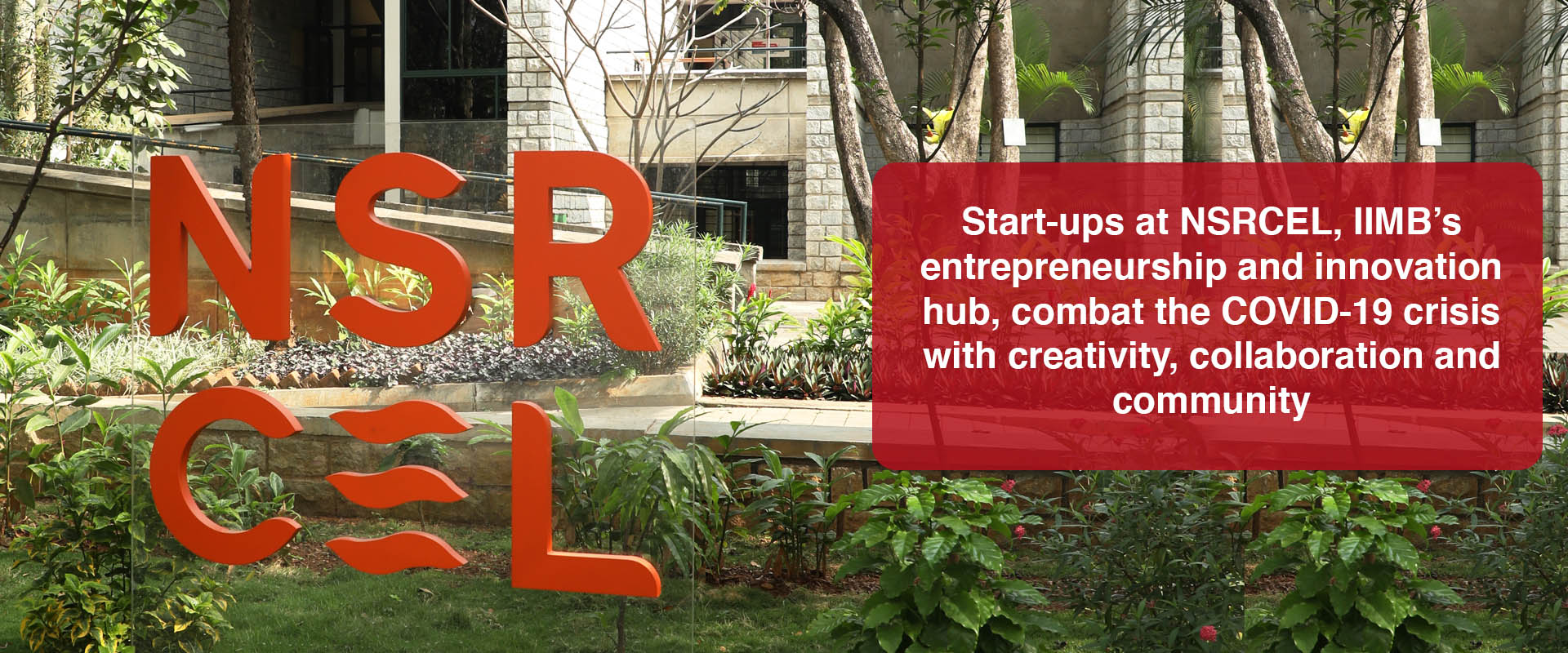
Amid IIM Bangalore’s serene green campus, NSRCEL, its startup incubation center, has spent 25 years nurturing founders while refining its own model. Contrasting the bustling city outside, the center blends calm with entrepreneurial energy, as seen during its anniversary event with alumni and new founders mingling nostalgically.
Codifying Two Decades of Support
CEO Anand Sri Ganesh outlines NSRCEL’s shift from mentor-driven aid – pitch sharpening, professor insights, key introductions – to a structured approach. Programs span pre-incubation to revenue-stage ventures, now adapting to tech-heavy innovation via co-incubation with labs and corporates, including a new IIT Kanpur MOU for AI, robotics, and drones. The ECKNA framework (“entrepreneurial capability building through knowledge, networks, and assessments”) distills 25 years of lessons into shareable methods, helping newer incubators mature in 18-24 months. NSRCEL now aids five such centers.
Founders’ Real-World Impact
Jeetendra Lalwani of Dial4242, spurred by his father’s ambulance delay death, credits NSRCEL for pitch decks, investor intros, and partnerships with Toyota and Maruti, calling it “family.” Nikita Doshi of Biome Healthcare, starting via a bootcamp, advanced from contract manufacturing to indigenous oxygen concentrators, gaining mentor factory visits and WSP grants for funding prep. Both highlight incubation’s blend of counsel, credibility, and practical doors in trust-scarce markets.
Tech, Pilots, and Capital Shifts
Ganesh stresses distinguishing AI hype from capability, urging sandboxes for realistic testing. Pilots aid learning – like Lalwani’s mobility tests or Doshi’s compliance checks – but aren’t market proof; incubators must probe unit economics. Investors now demand rigorous governance and clean accounting. Policy boosts defense/deep tech but starves edtech and others, elevating grants and CSR as vital non-equity bridges.
Measuring Lasting Success
NSRCEL gauges impact via sustainable ventures, jobs beyond metros, and knowledge transfer. Balancing personalized mentoring with scalable ECKNA, it empowers founders like Lalwani (trust/partnerships) and Doshi (production milestones) while exporting lessons. If this widens patient capital access, NSRCEL’s legacy will span startups and ecosystems alike.
IIM Bangalore’s NSRCEL: Mastering the Art of Startup Incubation
Nestled within the tranquil, tree-lined expanse of IIM Bangalore’s campus – a peaceful oasis amid the chaos of urban India – NSRCEL, the institute’s pioneering startup and entrepreneurship center, has quietly honed its craft over 25 years. Supporting founders through pitch refinements, late-night professor consultations, and pivotal introductions has been its hallmark, even as it evolved to teach these methods systematically. The center’s 25th anniversary in late November buzzed with alumni nostalgia and fresh founder ambition, underscoring its enduring “family” appeal.
Evolution from Mentorship to Scalable Framework
Anand Sri Ganesh, NSRCEL’s CEO, charts the center’s transformation from intuitive, mentor-led guidance to a codified playbook. Structured programs progress from pre-incubation idea validation to full revenue-stage scaling, born from decades of trial and error. Today’s tech-driven landscape demands co-incubation with science labs and corporate teams; a recent MOU with IIT Kanpur exemplifies this, targeting deep tech in AI manufacturing, robotics, and drones.
Central to this is ECKNA – “entrepreneurial capability building through knowledge, networks, and assessments” – a comprehensive framework packaging SOPs, methodologies, and knowledge assets from NSRCEL’s history. “We’ve learned every mistake to avoid,” Ganesh notes. Deployed with five younger incubators already, it aims to compress their learning curve from decades to 18-24 months, exporting proven incubation expertise nationwide.
Founders Share Tangible Transformations
Real stories ground the strategy. Jeetendra Lalwani, co-founder of Dial4242, launched after his father’s fatal ambulance delay during a heart attack, exposing India’s unreliable emergency services. NSRCEL provided pitch polish, investor networks, and credibility that unlocked talks with Toyota and Maruti. “Startups brim with ideas but need hands to connect dots – NSRCEL feels like family,” he says.
Nikita Doshi of Biome Healthcare stumbled into incubation via a Women Startup Program bootcamp, unaware of its power. Her hardware-focused firm shifted from contract manufacturing to a Coimbatore factory producing homegrown oxygen concentrators. Mentors’ on-site factory audits curbed errors in regulated healthtech, while grants taught funding ropes. Both founders underscore incubation’s trifecta: targeted advice, partner access, and market trust.
Navigating Tech Hype, Pilots, and Funding Realities
Ganesh warns against conflating generative AI buzz with true viability, citing compute/integration costs. Incubators must supply sandboxes with cloud/hardware partners for robust pilots, not superficial demos. Lalwani’s location tech tested via OEM intros; Doshi’s devices cleared compliance hurdles through vetted suppliers. Yet Ganesh cautions: pilots inform but don’t guarantee scale – incubators probe economics and policy fit rigorously.
Capital dynamics have toughened: investors scrutinize legal hygiene, audits, and unit costs more than ever. Policy funnels funds to defense/deep tech, sidelining edtech (NSRCEL notes zero recent for-profits there) and others. This elevates grants, CSR, and family foundations as patient capital for hardware/long-gestation ideas across healthtech, mobility, climate, and education.
Redefining Incubator Success
Metrics extend beyond exits or alumni counts: sustainable jobs in smaller cities, thriving ventures, and ecosystem-wide knowledge transfer. NSRCEL balances intimate mentoring with ECKNA’s reach, fueling founders’ wins – like Lalwani’s partnerships or Doshi’s rollouts. Its true test? Shortening paths for new incubators. By broadening patient capital for diverse innovators, NSRCEL’s influence promises to ripple far beyond its walls, shaping India’s entrepreneurial future.