
IIT Delhi-Led AI App Adi Vaani Revives India’s Endangered Tribal Tongues
Ministry of Tribal Affairs launches Adi Vaani, IIT Delhi-led AI translator for vulnerable tribal languages like Santali and Gondi, bridging digital and cultural divides.
India’s first AI app for tribal languages
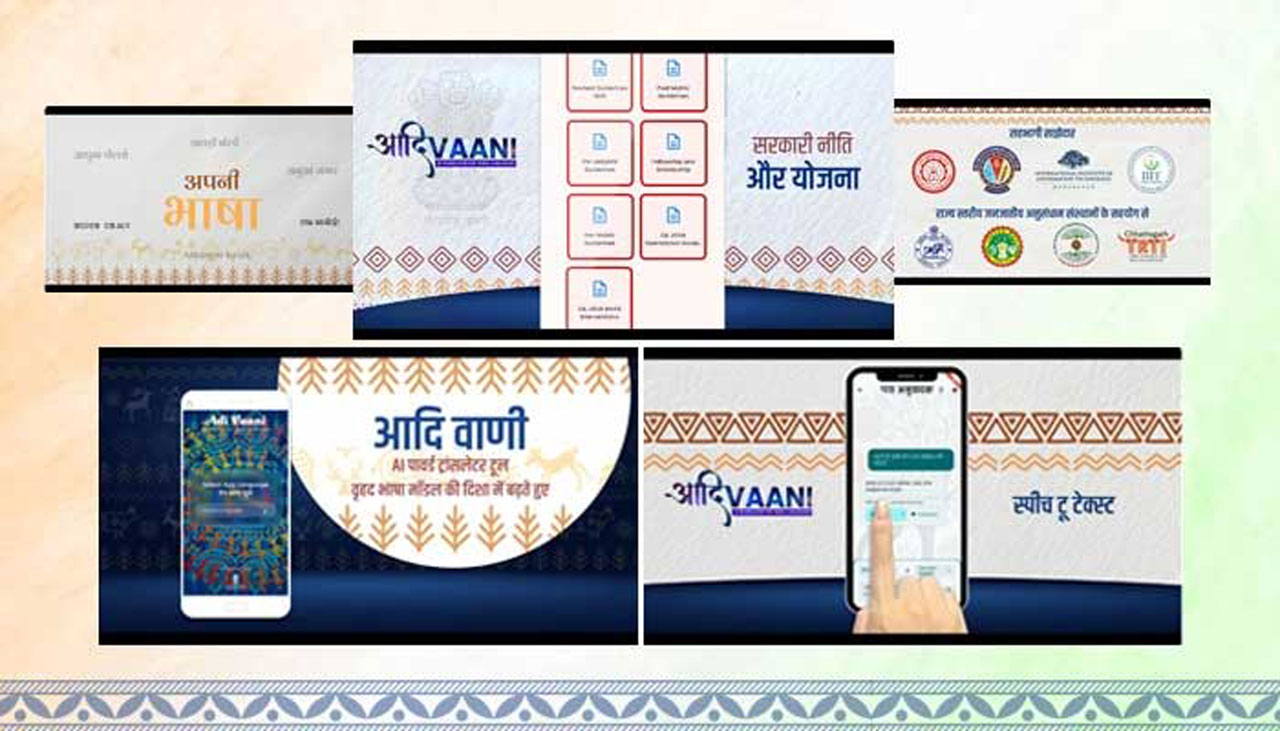
The Ministry of Tribal Affairs has introduced Adi Vaani, India’s first AI‑powered translation app focused on tribal languages. The app is currently in beta version and already supports Santali (Odisha), Bhili (Madhya Pradesh), Mundari (Jharkhand), and Gondi (Chhattisgarh). The platform aims to help tribal communities access education, government services, and healthcare in their native languages by providing fast, accurate digital translation.
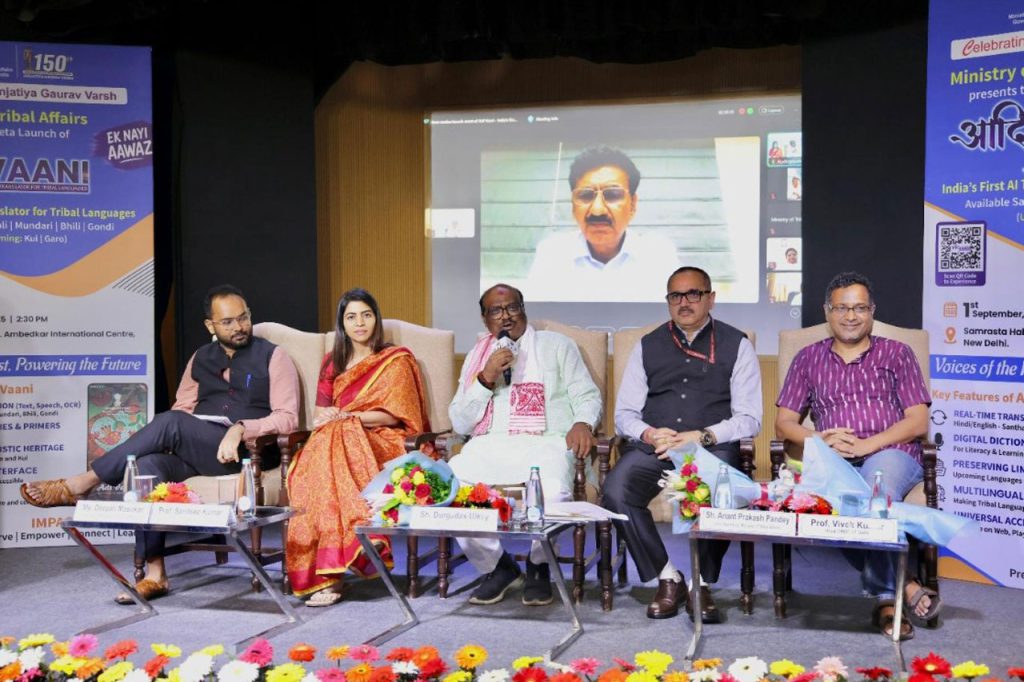
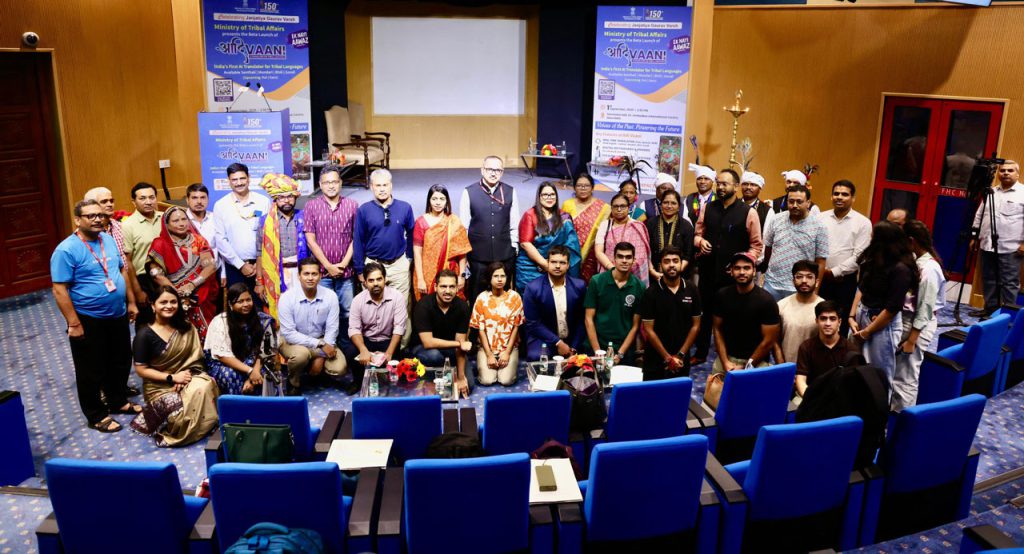
Adi Vaani was developed by a consortium of research institutes led by IIT Delhi, with IIIT Hyderabad, BITS Pilani, and IIIT Nava Raipur as key partners. The team worked closely with Tribal Research Institutes (TRIs) in Jharkhand, Odisha, Madhya Pradesh, Chhattisgarh, and Meghalaya to ensure cultural and linguistic accuracy. In the next phase, the researchers plan to add Kui and Garo languages, expanding the app’s reach across India’s diverse tribal belts.
Bridging the digital gap for tribal languages
According to the 2011 Census, India is home to 461 tribal languages, of which 81 are classified as vulnerable and 42 are critically endangered. Most of these tongues are low‑resource languages, so they lack the large digital text corpora that AI systems usually need for training. Without substantial written data, standard machine‑learning pipelines struggle to generate reliable translation and speech models.
To overcome this, the research team worked directly with native speakers and community members to collect and annotate speech and text samples. The close collaboration with TRIs ensured that the data reflected local dialects, cultural contexts, and everyday usage patterns. The result is a community‑informed AI model that can grow alongside the communities it serves.
How Adi Vaani empowers tribal communities
Adi Vaani enables text‑to‑text, text‑to‑speech, speech‑to‑text, and speech‑to‑speech translations between supported tribal languages and major Indian languages. The app also includes optical character recognition (OCR), which allows users to quickly digitise printed material written in tribal scripts or mixed scripts. This feature accelerates the conversion of educational leaflets, health advisories, and government documents into searchable, translatable digital formats.
By making these tools accessible, Adi Vaani also helps tribal students read school‑level materials in their mother tongues, eases local‑language documentation of medical records, and enables clearer communication with government departments. The app’s design targets elders, students, and frontline workers such as ASHA workers and teachers, all of whom can now use familiar languages instead of relying solely on regional or national languages.
Supporting digitisation, revitalisation, and preservation
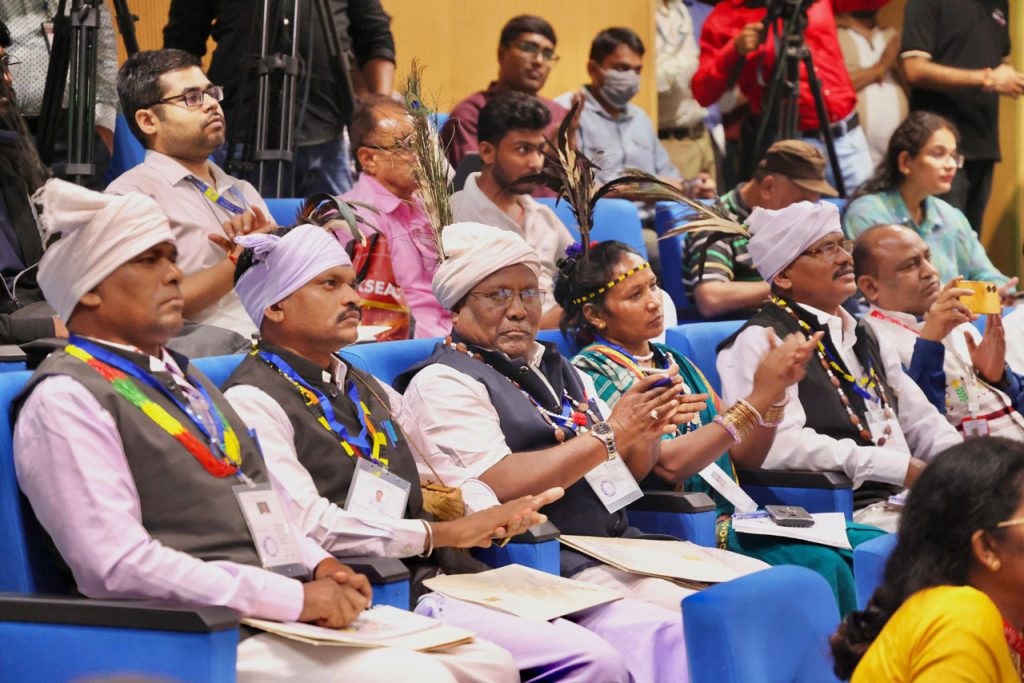
The broader goal of Adi Vaani goes beyond convenience: it is a deliberate effort to digitise, revitalise, and preserve tribal languages that are at risk of disappearing. Native speakers, especially youth, often switch to dominant regional languages due to limited digital content in their mother tongues. By building translation and voice‑based tools, the project hopes to create demand‑driven content ecosystems – where local‑language media, textbooks, and interactive apps become viable and attractive.
The app’s OCR and speech‑processing capabilities also support the creation of digital archives, audio‑based learning, and online dictionaries, which can be used by future researchers, educators, and community‑led language‑preservation initiatives. In this way, Adi Vaani serves as both a practical service tool and a long‑term language‑safeguarding infrastructure.
Building on AI and community‑led content
Radhika Mamidi, one of the researchers working on Adi Vaani at IIIT Hyderabad, said the team plans to continuously improve the AI models using feedback from the beta launch. “We will keep refining the models as more users interact with Adi Vaani,” she explained. “Our aspiration is to make NCERT textbooks, educational videos, health‑awareness clips, and government scheme materials available in these low‑resource languages using rapidly evolving AI technologies.”
Mamidi also highlighted work under the Indic‑Wiki summer internship programme, where students focused on enriching online content in Telangana‑origin languages such as Gondi, Koya, Kolami, Naikdi, Chenchu, Kaikadi (Yerukala), Lambadi, Nakkala, and Konda Kammara. The interns created and curated articles, diagrams, and audio samples to build open‑source language resources.
The team also hopes that with sustained support from the Telangana government and the Ministry of Tribal Affairs, they can extend AI‑based tools – similar to Adi Vaani – to these additional indigenous languages. By combining community‑generated content, open‑source AI models, and government backing, the project aims to transform India’s tribal‑language digital landscape and ensure that no major indigenous tongue remains invisible in the age of smart technology.
Disclaimer
The information in this article is based on available public sources and official statements as of the time of publication. While we aim for accuracy, we do not guarantee completeness or correctness. We advise readers to verify key details from official sources before making any decisions. The website (iitiimsamvaad.com) is not liable for any loss or damage arising from the use of this content. The authors are also not responsible for any such loss or damage.