
IIM Kashipur’s SMSIF 2026 unites 300+ experts for three days of sustainability research, policy dialogue, and Viksit Bharat strategies.
Conference opens with a vision for Viksit Bharat
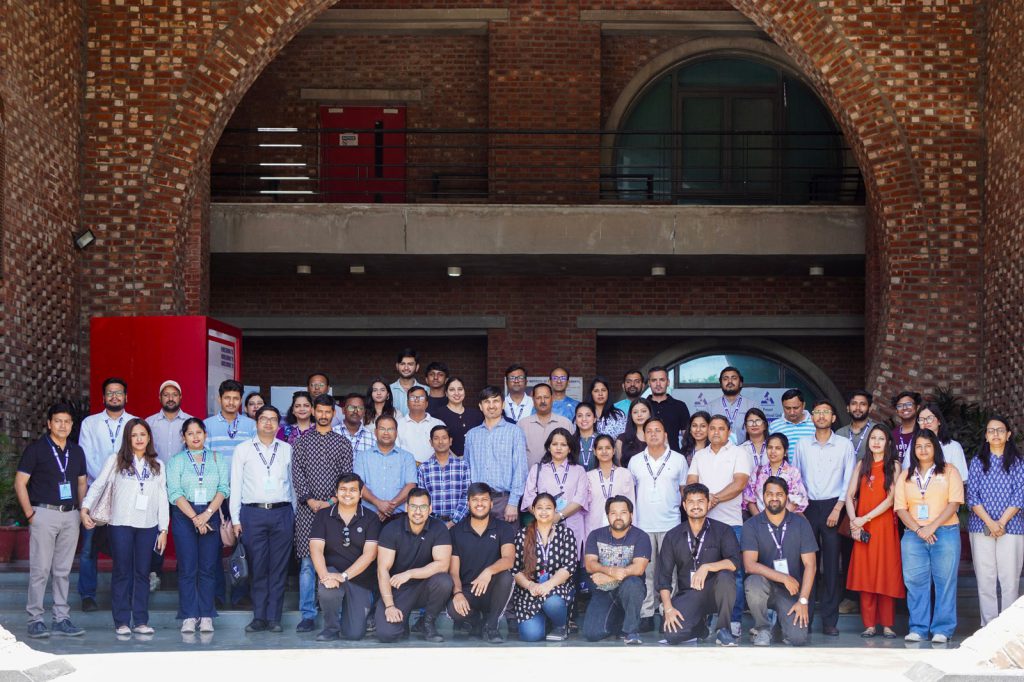
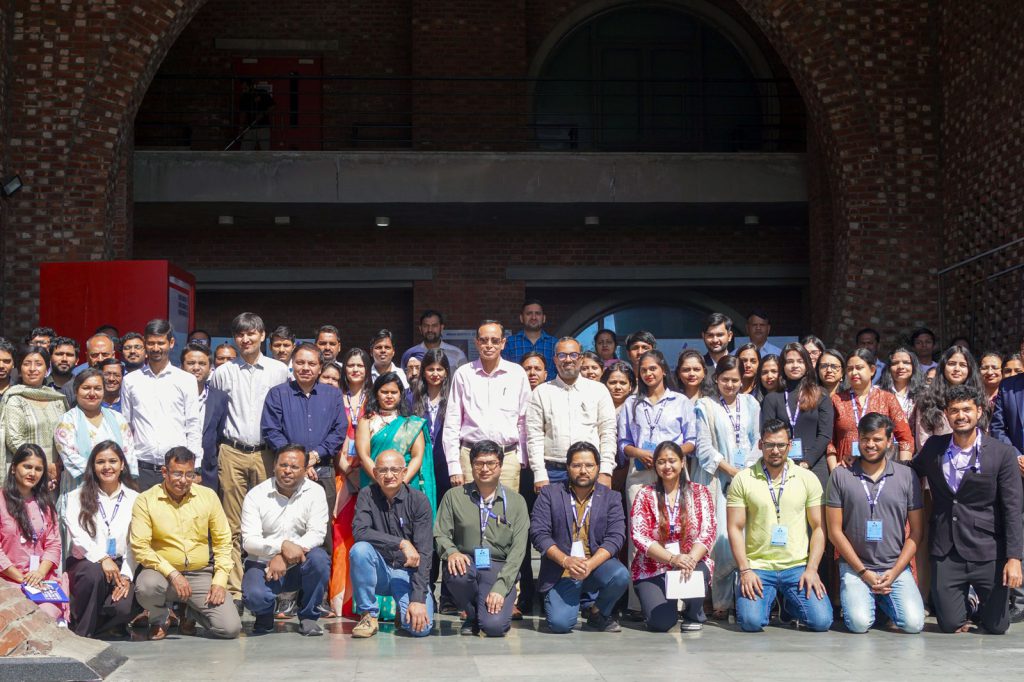
The Indian Institute of Management Kashipur (IIM Kashipur) successfully concluded the Second International Conference on Sustainability Management Strategies for India’s Future (SMSIF 2026), held from 9 to 11 April 2026. Over three intellectually rich days, the institute emerged as a vibrant confluence of ideas, drawing together academia, industry, and policymakers to collectively reimagine India’s sustainable future.
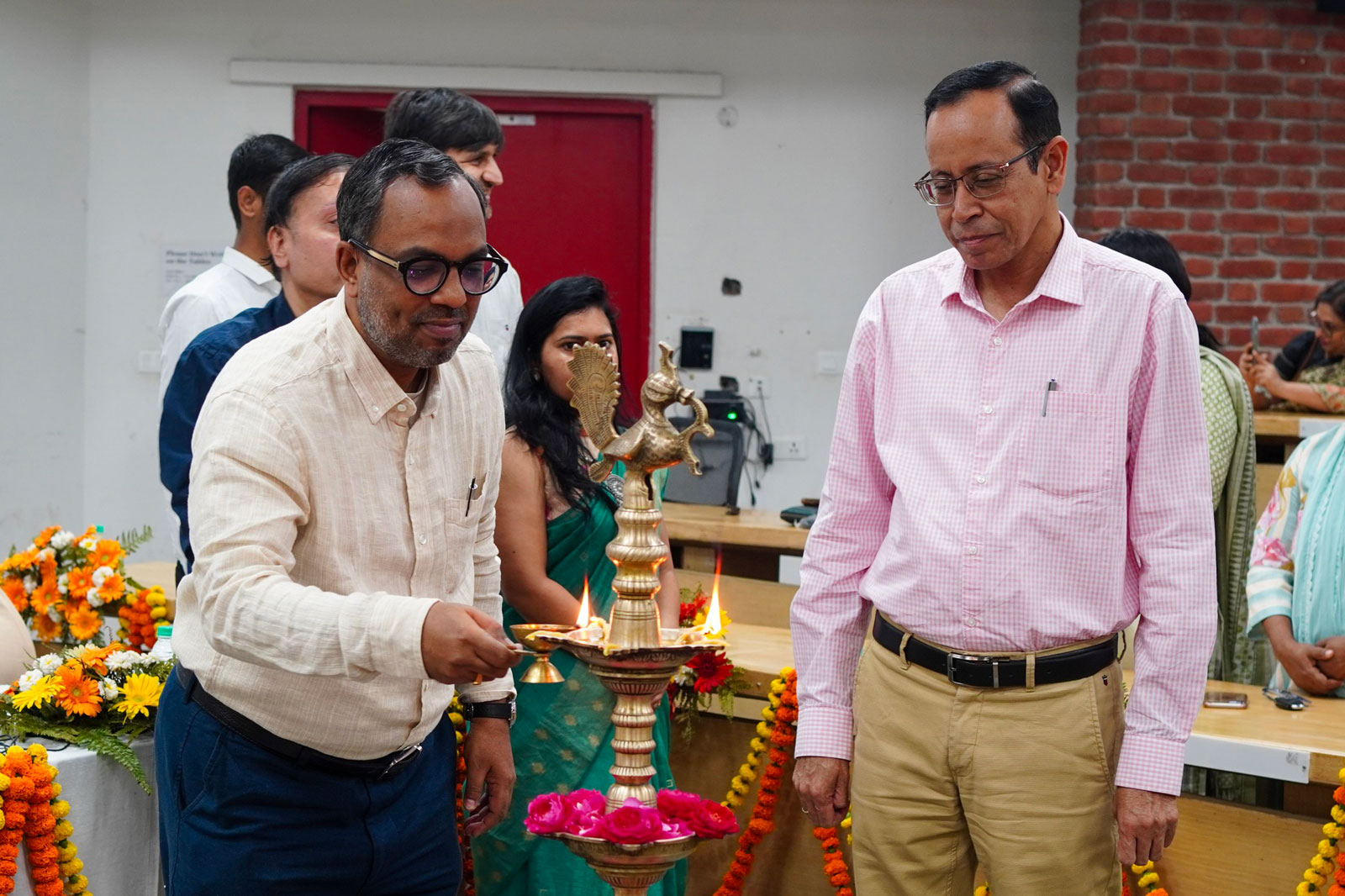
The conference began with a welcome address by Prof. Somnath Chakrabarti, who reflected on India’s rapid economic growth while underscoring the need for development that is inclusive, responsible, and environmentally conscious, in line with the vision of Viksit Bharat 2047. He highlighted the importance of collaborative platforms like SMSIF in fostering innovation, dialogue, and resilience for a sustainable India.
Director outlines centrality of sustainability
Delivering the conference address, Prof. Neeraj Dwivedi, Director of IIM Kashipur, articulated a comprehensive understanding of sustainability that integrates economic resilience, social equity, and ethical governance. He emphasised that sustainability is no longer a peripheral concern but central to leadership, strategy, and institutional development across sectors.
Prof. Dwivedi noted that businesses, universities, and governments must embed sustainability principles into decision‑making, curriculum design, and policy formulation, making it a core rather than an add‑on.
Keynote on governance and Indian knowledge systems
The conference highlights were presented by Prof. Alka Arya, who explained the concept of sustainable development and traced its historical and global evolution. She connected these ideas to sustainable management practices and aligned them with the vision of Viksit Bharat 2047. She also outlined key thematic tracks of the conference and highlighted green initiatives implemented on the IIM Kashipur campus, encouraging continued collaboration to translate ideas into tangible action.
On the first day, Prof. Rama Mohana R. Turaga of Indian Institute of Management Ahmedabad delivered a keynote on governance for environmental sustainability, underscoring that sustainability has become integral to business strategy and academic curricula. He commended IIM Kashipur for organising a timely and impactful platform that brings diverse stakeholders into a shared mission.
Adding a rich intellectual dimension, Prof. B. Mahadevan of Indian Institute of Management Bangalore highlighted the enduring relevance of Indian Knowledge Systems, drawing insights from classical texts like the Arthashastra and from ancient Indian architecture. He also illustrated how traditional wisdom continues to inspire contemporary public policy and sustainable management practices. The first day also featured several extended‑abstract presentations across multiple thematic tracks.
Sustainability in research, practice, and industry
On the second day, Prof. Haritha Saranga of IIM Bangalore emphasised the growing importance of sustainability in both research and practice, particularly in the Indian context. She highlighted the need for advances in renewable energy transitions, sustainable agriculture, and coordinated policy frameworks to address emerging environmental and developmental challenges.
Bringing an industry perspective, Mr. Subramanian Chidambaran, Chief Strategy and Sustainability Officer at Cummins India, stressed the critical balance between economic growth, consumption, and efficiency. He argued that energy efficiency and responsible consumption must be central to sustainable growth strategies, with companies taking clear, measurable actions rather than treating sustainability as a branding exercise.
Scholarly engagement and knowledge exchange
The third day of SMSIF 2026 featured multiple research‑paper sessions across diverse themes, giving scholars and researchers an opportunity to present their work and engage in rigorous, peer‑driven academic discussions. The conference covered topics such as circular economy, sustainable supply chains, climate‑resilient infrastructure, green finance, and policy innovation, creating a robust body of knowledge around sustainability‑linked management strategies.
Throughout its three‑day span, SMSIF 2026 served as a platform for knowledge creation and exchange, reinforcing the need to integrate sustainability into management education, corporate strategies, and public‑policy frameworks. The event highlighted the importance of sustained collaboration among academia, industry, and government, underscoring that the journey toward a resilient, inclusive, and sustainable India is a shared and collective responsibility.
Disclaimer
The information in this article is based on available public sources and official statements as of the time of publication. While we aim for accuracy, we do not guarantee completeness or correctness. We advise readers to verify key details from official sources before making any decisions. The website (iitiimsamvaad.com) is not liable for any loss or damage arising from the use of this content. The authors are also not responsible for any such loss or damage.