
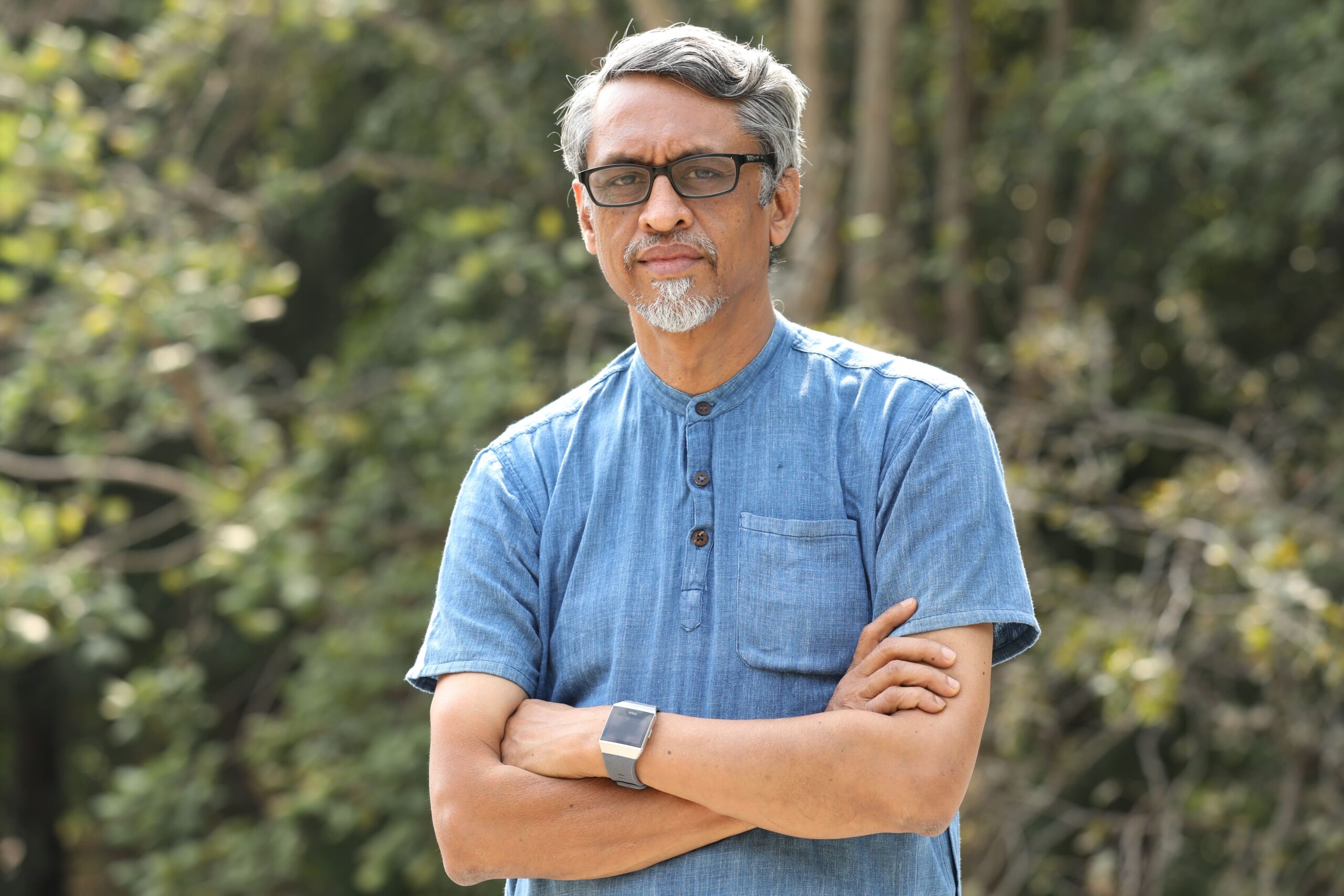
Prof. M. S. Sriram’s curated anthology, ‘Nadiya Mooraneya Dande’, is a remarkable collection of 21 Latin American short stories translated over four decades. This unique compilation introduces Indian readers to the richness of Latin American fiction, fostering a deeper understanding and appreciation of diverse literary traditions.
Nadiya Mooraneya Dande: A Literary Bridge from Latin America to Kannada Readers
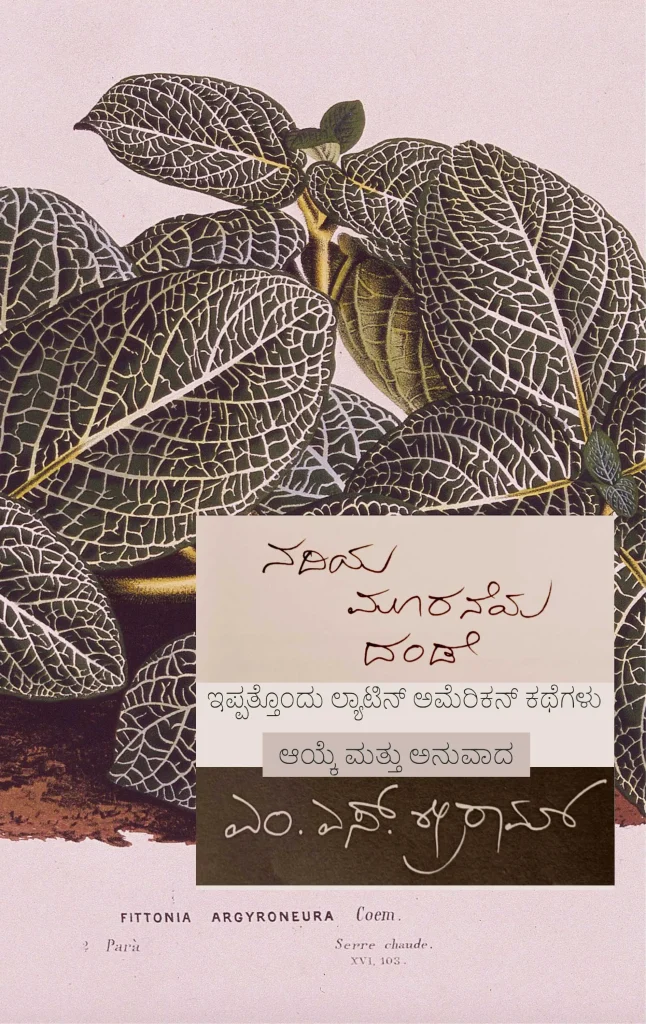
A landmark anthology of short stories, ‘Nadiya Mooraneya Dande’ (The Shores of the River), has been released, bringing Latin American literary masterpieces to Kannada readers for the first time. Curated, selected, and translated by Prof. M.S. Sriram, Professor of Public Policy at IIM Bangalore, this collection spans four decades of work by some of Latin America’s most celebrated writers. Featuring 21 short stories, it marks a historic milestone as the first-ever Kannada anthology dedicated exclusively to Latin American literature.
A Kaleidoscopic Portrait of Latin American Life
The anthology offers readers a vivid, multifaceted glimpse into Latin American societies. These stories capture the region’s political upheavals, socio-economic complexities, and the raw struggles of ordinary people. Themes of hunger, war, migration, memory, and survival weave through the narratives, reflecting both personal tragedies and collective histories.
From the brutality of dictatorships to the quiet dignity of everyday resistance, the stories resonate universally while remaining deeply rooted in Latin American realities. Prof. Sriram’s translations preserve the emotional depth and cultural nuances, making these distant voices feel intimate and immediate to Kannada readers.
Opening Salvo: Political Satire and Social Critique
The collection opens powerfully with José Esteban Antonio Echeverría’s ‘The Slaughterhouse’, a biting political satire. This story explores the fraught boundary between civilization and barbarism under authoritarian rule. Its sharp critique of power structures sets the tone for the anthology’s unflinching social commentary.
Diverse Voices, Universal Emotions
The anthology’s range is breathtaking. Joaquim Maria Machado de Assis’s ‘The Midnight Mass’ unfolds during a poignant Christmas Eve conversation, revealing hidden truths beneath festive cheer. Rubén Darío’s ‘The Death of the Empress of China’ tells of a sculptor whose obsessive love for his creation threatens his marriage – a meditation on art, love, and loss.
Leopoldo Lugones’s ‘Yzur’ offers surreal humor, following a man’s quixotic attempt to teach his pet to speak. These stories balance the extraordinary with the deeply human, showcasing Latin America’s literary versatility.
Memory, Loss, and Inner Turmoil
Several tales delve into emotional memory and psychological conflict. César Vallejo’s ‘Beyond Life and Death’ captures a man’s return to his hometown, where familiar streets trigger overwhelming memories of his late mother. Similarly, Aníbal Monteiro Machado’s ‘The Piano’ portrays a man’s agonizing dilemma over selling his cherished instrument – symbolizing far more than mere possession.
Jorge Luis Borges’s ‘There Are More Things’ weaves metaphysical mystery, while Enrique Amorim’s ‘Photograph’ and João Guimarães Rosa’s ‘The Third Bank of the River’ (the anthology’s title inspiration) explore identity, belonging, and existential drift.
Survival and the Human Condition
Themes of existence and endurance permeate stories like Juan Carlos Onetti’s ‘Existence’, Virgilio Piñera’s ‘The One Who Came to Save Me’, and Clarice Lispector’s ‘Love’. These narratives probe the quiet battles waged within the human soul.
Gabriel García Márquez contributes ‘Light Like a River’ and ‘A Hen for Three’, blending magical realism with everyday wisdom. ‘Dialogue with the Mirror’ presents a man’s silent confrontation with his reflection, while Moacyr Scliar’s ‘War and Peace’ and ‘Van Gogh’s Ear’ offer sharp, ironic takes on creativity and conflict.
Iconoclastic Adventures and Family Ties
Cristina Peri Rossi’s ‘The Museum of Meaningless Adventures’ challenges conventional storytelling, and Isidoro Blaisten’s ‘Uncle Facundo’ delivers a tender yet unsentimental family portrait. Together, these stories form a rich tapestry of Latin American imagination.
Linguistic Innovation in Kannada Translation
Prof. Sriram’s translations stand out for their linguistic daring. Noted Kannada writer S. Diwakar, in his preface, praises the translator’s innovative approach: “M.S. Sriram employs syntaxes, idioms, phrases, and sentence structures previously uncommon in Kannada, capturing the essence of the originals. This is essential for any language’s growth.”
By introducing Latin American narrative rhythms into Kannada, Sriram expands the language’s expressive range, ensuring these stories resonate authentically while feeling fresh.
Cultural Exchange Through Literature
‘Nadiya Mooraneya Dande’ transcends geography, demonstrating literature’s power to forge connections across cultures and histories. Readers encounter not just stories, but windows into distant lives – from dictatorship’s shadow to personal redemption’s light.
Prof. Sriram succeeds in conveying a spectrum of global emotions and scenarios that feel profoundly relatable. The anthology invites Kannada readers to ponder, speculate, and imagine as the original authors intended.
A Milestone for Kannada Literature
This collection does more than translate words – it translates worldviews. By making Latin America’s literary giants accessible, ‘Nadiya Mooraneya Dande’ enriches Kannada literature and nurtures a more cosmopolitan readership.
As S. Diwakar notes, Sriram’s work represents linguistic evolution. The anthology stands as both a literary achievement and a testament to translation’s transformative potential.
“Nadiya Mooraneya Dande” (ನದಿಯ ಮೂರನೆಯ ದಂಡೆ), Kannada book by Prof. M. S. Sriram . It is described as a collection of translated Latin American stories. The book is available for purchase from publisher  also.
also.